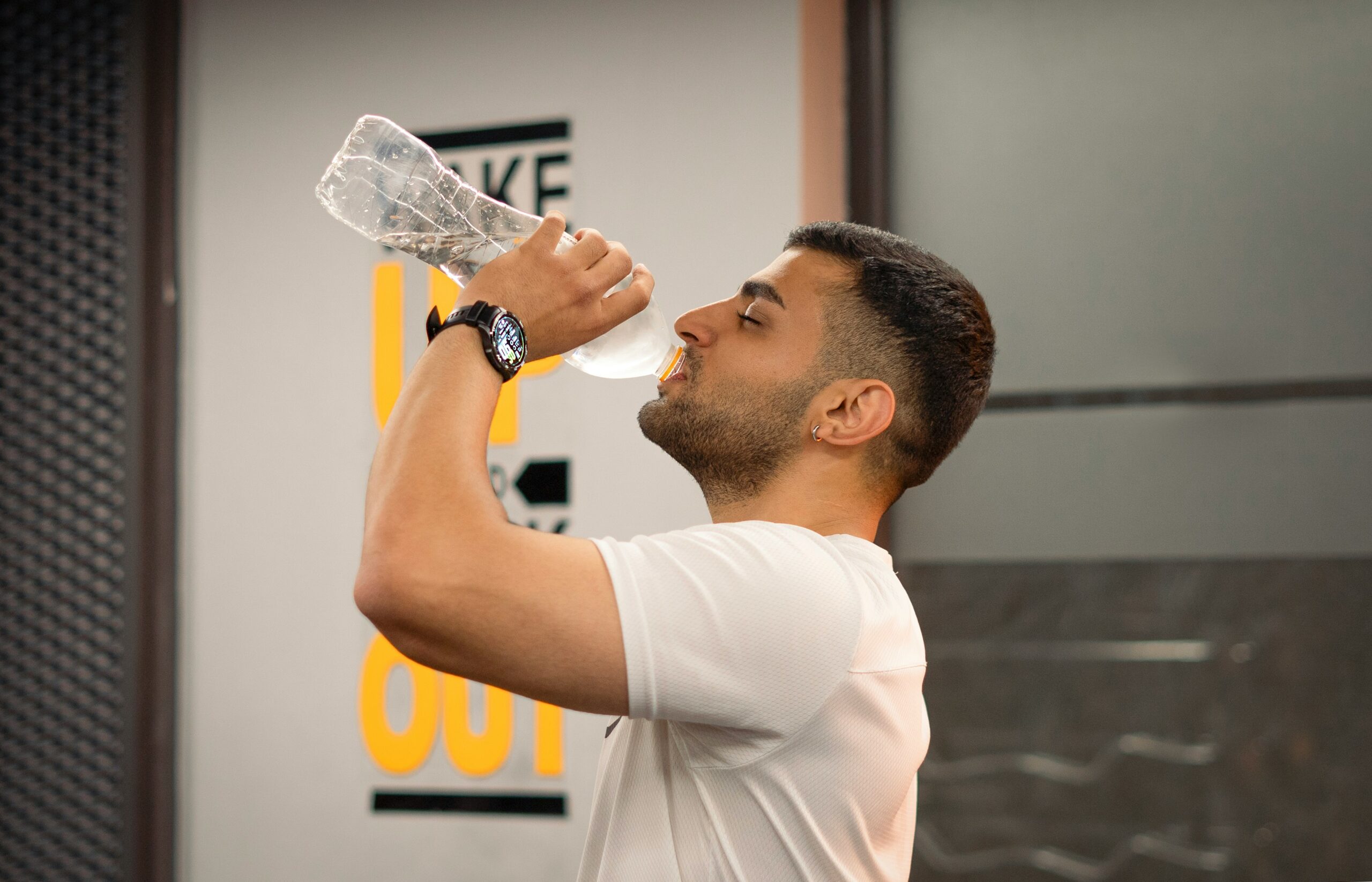

There is something slightly strange about the way we have learned to talk about exercise. When someone starts training more often, we usually see it as progress. Another workout during the week, more weight on the bar, a longer run, another session completed without missing a day; all of these things are easy to recognise as signs of commitment. Rest, on the other hand, often feels like something that needs to be justified. A day without training can quickly create the feeling that we “did nothing today”, especially when we have become used to measuring effort by how tired we feel afterwards. Anyone who tries to stay active for long enough, however, eventually discovers that the body does not work that way. There are days when it responds well to intensity and others when it needs exactly the opposite. There are weeks when everything feels easy and others when an ordinary workout somehow feels much harder than it should. Recovery after exercise is not the empty space between two productive days, nor is it time we have to wait through before returning to the “real” work. It is part of the process itself. And sometimes, the most useful thing you can do for your next workout is simply not to add another one today.
Progress does not stop when the workout ends
It is easy to think of training as the place where everything happens because that is the part we can see and measure. There is the hour spent in the gym, the distance we ran, the route we completed, the hike we finished or the intensity we managed to maintain. Effort, however, is only one side of the equation. After exercise, the body needs time to recover from that demand, restore energy and adapt before the next challenge arrives. In its simplest form, this is what recovery after exercise means: giving the body enough space to return, rebuild and prepare for what comes next. You do not need to understand every detail of exercise physiology to recognise something most of us have experienced. The same workout can feel comfortable one day and unusually difficult a few days later, even though neither the programme nor our fitness has dramatically changed. What may have changed is everything that happened around it: accumulated fatigue, a demanding week, poor sleep, work, travel, another activity or simply not leaving enough space between efforts. If fitness is about more than performance, recovery needs to be treated as part of it rather than an interruption from it.
Rest does not always mean doing nothing
There are days when complete rest is exactly what we need. There are also many days when moving more gently can feel much better than going directly from an intense workout to spending the rest of the day completely still. This is where active recovery comes in: low-intensity movement that is not designed to create another demanding training load. For one person, that might mean an easy walk around the neighbourhood, some mobility work, a relaxed bike ride or a gentler form of movement such as yoga. For someone else, it might simply mean leaving the car behind and walking a little more during the day. The important part is that recovery does not need to become another performance to measure. If an “easy walk” turns into a competition with your smartwatch over steps, pace and calories, some of the point has probably been lost. Active recovery is not a workout in disguise, and rest days do not need to be filled with targets before they can be considered useful. Sometimes a healthier relationship with exercise begins when we accept that movement does not have to leave us exhausted in order to have value.
Sleep is the part we often try to negotiate
If modern life has taught us to treat anything as optional, sleep is probably high on the list. It is often the first thing we reduce when there are not enough hours in the day. Work, family, commuting, social plans, scrolling late at night, and somewhere among all of that we are also trying to fit in a workout. The strange part is that we can be extremely disciplined about not missing an hour of training while being much more willing to take that hour away from rest. Sleep and recovery, however, are difficult to separate. The quality of our rest influences how we feel the following day, how much energy we have and ultimately how easy it is to maintain an active life without constantly feeling as though we are running behind our own energy levels. That does not mean sleep needs to become another metric to obsess over. We do not have to wake up every morning and check a device before deciding whether we “slept correctly”. It simply means giving sleep the place it deserves within an active lifestyle. The body that trains in the afternoon is the same body that has been working since morning, commuting, dealing with stress, travelling, sleeping too little or carrying the weight of an unusually demanding week.
Your body does not follow your calendar
One of the most useful things you learn when exercise stops being a short burst of motivation and becomes part of your life is that no two weeks are exactly the same. Your schedule might say training on Tuesday, Thursday and Saturday, but real life has very little interest in following that plan perfectly. One Tuesday might come after a great night of sleep and a relatively calm day. The following Tuesday might arrive after five hours of sleep, ten hours of work and a phone that has not stopped ringing since breakfast. On paper, it is the same training day. For your body, it is not the same day at all. Learning to recognise that difference is not a lack of discipline. It is part of building an active lifestyle that can survive real life rather than one that only works when everything goes according to plan. Sometimes that means completing the workout exactly as intended. On another day, it may mean slowing down, choosing mobility or another lighter activity, and occasionally it means resting altogether. The difficult part is that the last option does not offer the same immediate sense of achievement. There is no personal best, photograph from the summit or number moving in the right direction. Yet if the goal is to keep moving tomorrow, next month and years from now, knowing when to slow down can be just as important as knowing when to push harder.
Real consistency needs pauses
The word “consistency” appears everywhere in fitness, usually alongside the idea that you should show up regardless of how you feel. There is real value in discipline, particularly on those days when the only problem is that the sofa feels more appealing than the workout. But there is a difference between “I do not feel like training” and “I need to recover”, and learning to recognise that difference usually takes time. Real consistency is not necessarily measured by whether you managed to avoid missing a single session for six weeks. It is better reflected in whether you can maintain a healthy relationship with movement for years, through periods when you have more time and periods when you have less, through holidays, travel, stressful weeks and changes in everyday life. Someone who follows everything perfectly for two months and then becomes so exhausted that they stop altogether is not necessarily more consistent than someone who learns to adjust their pace and is still moving years later. This is where recovery stops being simply a fitness concept and becomes part of wellbeing. It is not only about how quickly we can become ready for the next workout. It is about building a relationship with our bodies that is not based entirely on constantly asking them for more.
From performance to a better relationship with movement
Training is not just about how you look. It is about how you live.
Perhaps one of the biggest changes happens when we stop dividing our days into “good” ones because we trained hard and “wasted” ones because we did not. Movement can take many different forms, and not all of them need to serve the same purpose. One day might involve strength training, another hiking, another a yoga class, a bike ride or a quiet walk outside. And there can also be a day with none of those things. Spending time in nature can change the way we feel without needing to become a demanding outdoor challenge, just as a wellness experience can be worthwhile without measuring calories or performance afterwards. This is also an important part of the philosophy behind InAction: movement does not need to look the same for everyone or every day. It can be a demanding outdoor experience, a workout, a yoga class or something much gentler. What matters is being able to discover activities that fit who we are, the period of life we are in and what we genuinely need at that particular moment, rather than trying to force every day into the same definition of what it means to be “active”.
Recovery after exercise does not need to be complicated, nor does it need to become another obsession involving data, routines and perfect conditions. More than anything, we need to allow it to exist. To accept that rest, sleep, gentle movement and lower-intensity days are not standing in the way of progress; they are part of it. Staying active does not mean moving constantly. It means learning when to push, when to slow down and when to give your body the space it needs, so that you still have the energy and desire to come back again.
Less Scroll. More Life.
Inaction – Discover fitness and outdoor experiences near you and book activities in seconds.