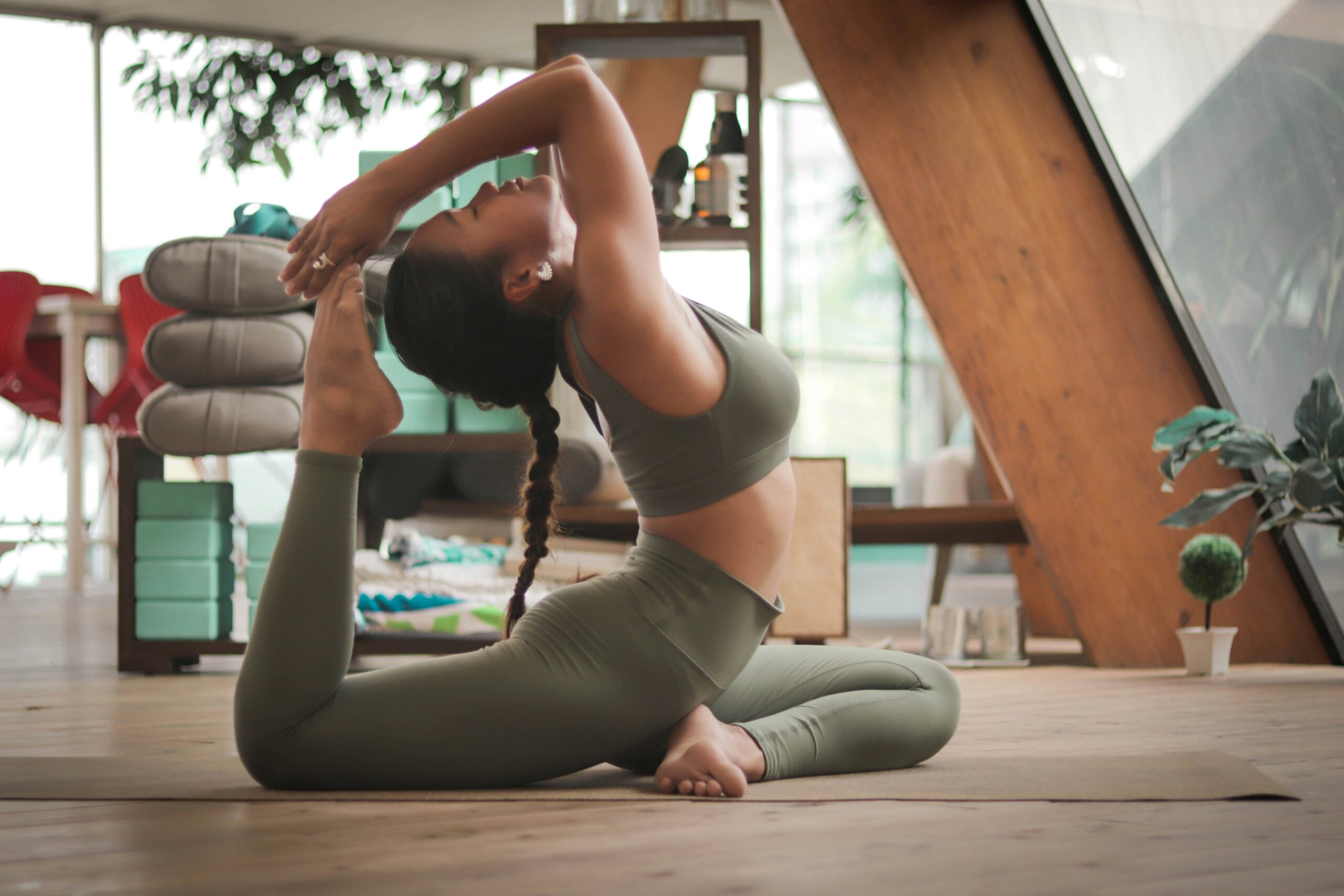

For many people, the first image that comes to mind when they hear the word yoga is someone sitting quietly on a mat, stretching or attempting difficult poses. It is an image that has existed for years, and to some extent it is understandable. Yet it barely reflects what yoga truly is. If yoga were only about flexibility, it would never have become one of the world’s most widely practiced wellness activities.
Yoga is not simply a workout, nor is it reserved for people who are naturally flexible or already fit. It is a different way of connecting with your body, your breathing and, ultimately, the way you experience everyday life. In a world that moves faster every year, where hours disappear in front of computer screens and our attention is constantly interrupted by notifications, meetings and endless responsibilities, yoga creates something many people are missing: space. It does not add another task to your schedule. It creates a pause within it. Perhaps that is why more people are discovering yoga today than ever before. Not because they want to master advanced poses, but because they are searching for balance. They want to sleep better, move more freely, reduce everyday tension and find a few moments where they do not have to perform, compete or prove anything. Yoga offers exactly that. It is not built around competition or comparison. It does not matter how flexible you are or whether you can perfectly imitate the person next to you. What matters is learning to listen to your own body and allowing it to move in a way that feels natural and healthy.
The real challenge is not the poses. It is learning to be present.
Much of modern life happens on autopilot. We eat while checking our phones. We walk while thinking about work. We answer emails while already worrying about the next meeting. Our bodies are in one place while our minds are somewhere else entirely. Yoga gently interrupts this pattern. From the very first breath, it invites us to focus on something surprisingly simple: the present moment.
Every movement is connected to breathing. Every posture asks for awareness instead of speed. Instead of thinking about yesterday or planning tomorrow, attention slowly returns to what is happening right now. That shift may seem small, but its impact is often much greater than expected. This is one of the reasons people frequently leave a yoga session feeling calmer, even if the physical effort was relatively gentle. Their bodies have moved, but so has their attention. Stress begins to soften, breathing becomes slower and the constant feeling of rushing gradually fades into the background. Yoga does not remove everyday challenges, but it often changes the way we respond to them.
Wellbeing is not a destination. It is something we practice every day.
Many people treat wellbeing as a future goal. They promise themselves they will take better care of their body once life becomes less busy or when they finally have more free time. Reality rarely works that way. Everyday life always finds new ways to fill our schedules. What truly improves wellbeing is not one dramatic decision but small habits repeated consistently. Yoga fits naturally into that philosophy. It does not require expensive equipment or several hours every day. Even a short practice can remind us that our bodies deserve attention instead of simply carrying us from one responsibility to the next.
This is also why yoga is increasingly practiced beyond traditional studios. Beaches, parks, mountain landscapes and quiet outdoor spaces have become places where people choose to move, breathe and reconnect with themselves. Nature enhances the experience. Fresh air, natural sounds and open landscapes create an environment where slowing down feels almost effortless. Wellbeing stops being something reserved for special occasions. It becomes part of everyday life.
Yoga changes more than your body. It changes your relationship with time.
Perhaps yoga’s greatest gift is not greater flexibility or improved posture. Perhaps it is the reminder that life does not always have to move at maximum speed. Modern society often rewards productivity above everything else. We measure successful days by how much we accomplished, how many tasks we completed and how busy we remained. Moments of stillness are often treated as wasted time. Yoga quietly challenges that idea. For a short period, there is nowhere else to be and nothing else to achieve. There is only breathing, movement and awareness. Ironically, these moments often become the most valuable part of the day because they restore the energy we spend everywhere else. This may explain why people of different ages, professions and lifestyles continue returning to yoga. They are not searching for perfection. They are searching for balance. They are looking for a healthier relationship with themselves in a world that rarely slows down.
How InAction supports this way of living
At InAction, we believe wellbeing is not separate from everyday life. It is created through the choices we make every week. Choosing to move instead of staying still. Choosing to spend time outdoors. Choosing activities that help both body and mind. Through a single platform, people can discover yoga classes, outdoor wellness experiences and activities designed to improve physical and mental wellbeing. The goal is not simply to find another class. It is to make it easier to build a lifestyle where movement, breathing and balance become natural parts of everyday life. Because wellbeing is not something we achieve once. It is something we continue choosing.
Less Scroll. More Life.
Yoga does not ask you to become someone different. It does not require perfect technique or exceptional flexibility. It simply invites you to slow down, take a deep breath and remember that taking care of yourself is not a luxury reserved for quieter days. Sometimes the biggest changes in life do not begin with dramatic decisions. Sometimes they begin with a single breath.
Less Scroll. More Life.
Inaction – Discover fitness and outdoor experiences near you and book activities in seconds.