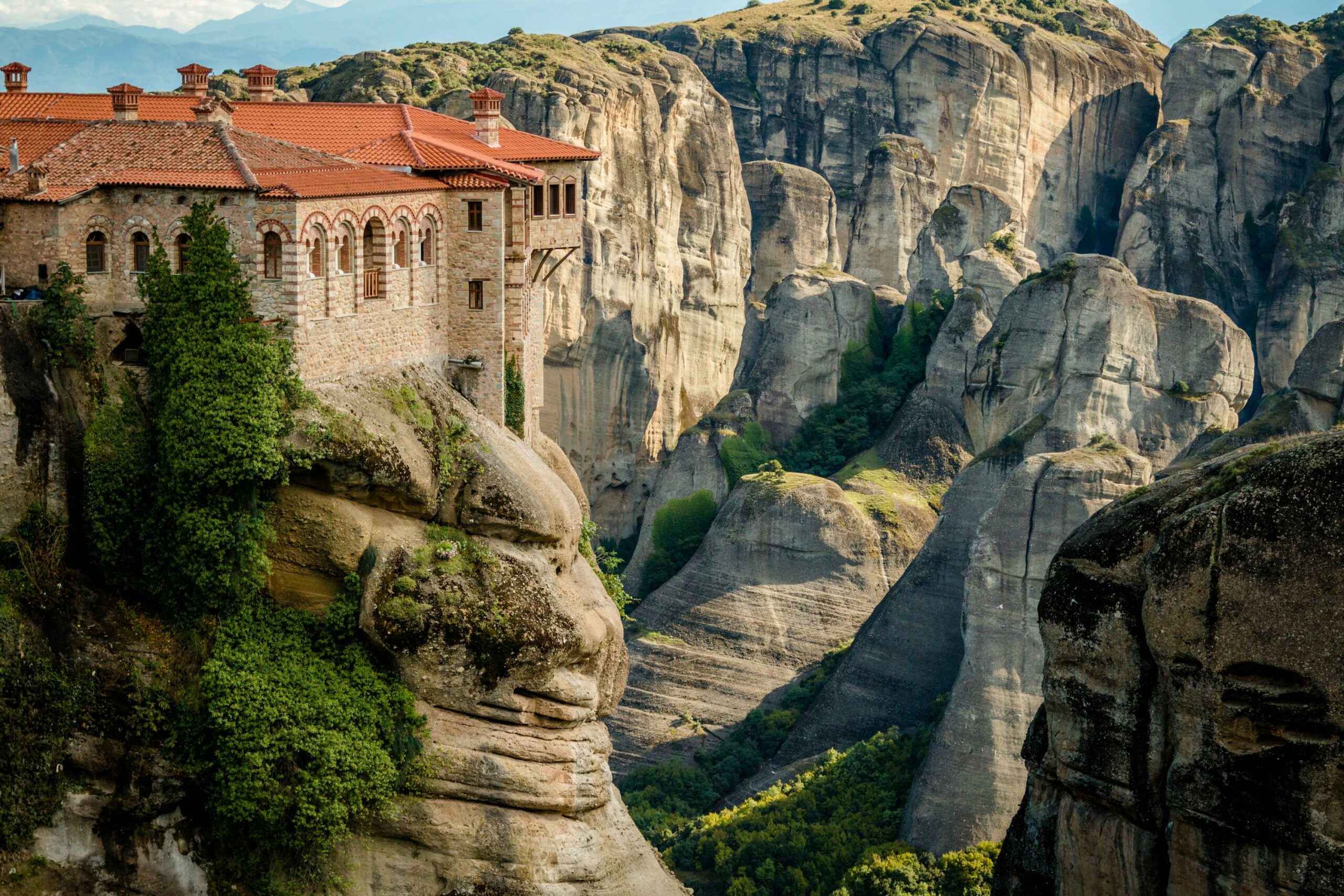

For most people abroad, and often for Greeks themselves, Greece is connected to a very specific image. Summer, islands, beaches, whitewashed houses, a table beside the sea and that familiar shade of blue that has travelled to almost every corner of the world. It is a real image, and for good reason it remains one of the strongest parts of the country’s identity. It is simply not the whole story. Move a little beyond the traditional holiday route and Greece begins to look like a completely different country: mountains rising above 2,000 metres, gorges, rivers, forests, lakes, trails, climbing areas and a coastline that creates almost endless possibilities for activities on the water. Between all of these are cities, villages and local communities where movement, wellbeing and time outdoors can become part of a trip that is defined not only by where you stay, but by what you actually experience while you are there.
Perhaps that is why it makes sense to start seeing Greece not only as a destination we visit, but as a place we can actively move through. The difference may sound small, yet it changes the entire experience. You do not simply arrive somewhere to photograph it or spend a few days looking at the scenery. You walk its trails, enter its waters, meet people who know the area, try something you may never have done before and return home with a much more personal connection to the place. This is where activities in Greece stop being something we simply add to a holiday itinerary and can become the reason for travelling in the first place.
For years, we learned to see Greece through summer
It is easy to understand how this happened. The sea, the islands and the Greek summer created such a powerful travel identity that almost everything else remained in their shadow for years. For a large part of the world, the travel season in Greece began when the beach bars opened and ended when the last umbrellas disappeared from the beaches. Even for many Greeks, the idea of getting away was more closely associated with July and August than with a winter walk in the mountains, a spring canyoning experience or an autumn weekend spent hiking.
The geography of the country, however, tells a much broader story. Greece is not only about the sea and it is certainly not only about summer. Landscapes can change dramatically within relatively short distances, creating something that is not available in every destination: the ability to completely change the kind of experience you are having without changing country. You can spend the morning on a mountain trail and find yourself beside the sea only a few hours later. A weekend can take you into the mountains, through a gorge, down a river or somewhere much quieter for an outdoor yoga session. What makes this interesting is not simply the number of options available, but how different those options can be from one another.
A country where the experience can change completely within a few hours
Greece’s geographical diversity may be one of its greatest advantages for anyone interested in active travel. Northern and central Greece, with their mountains and rivers, offer a completely different landscape from the Cyclades or Crete, while even around the country’s major cities there are experiences that do not require a week-long trip or complicated planning. Sometimes an activity can begin only a short distance outside the city and still make you feel as though you have travelled much further.
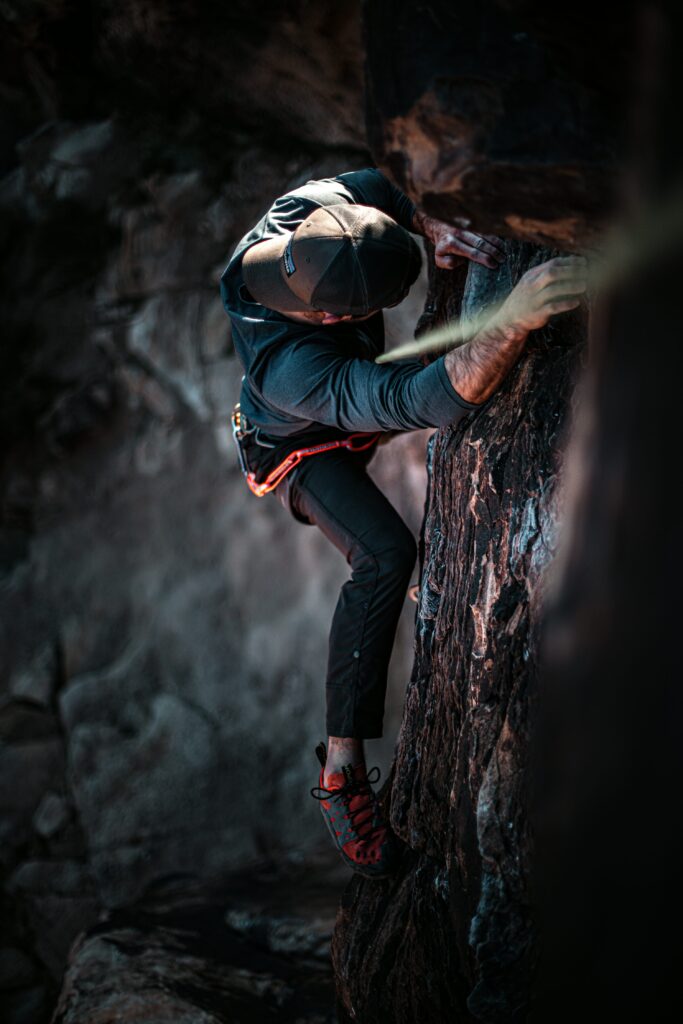
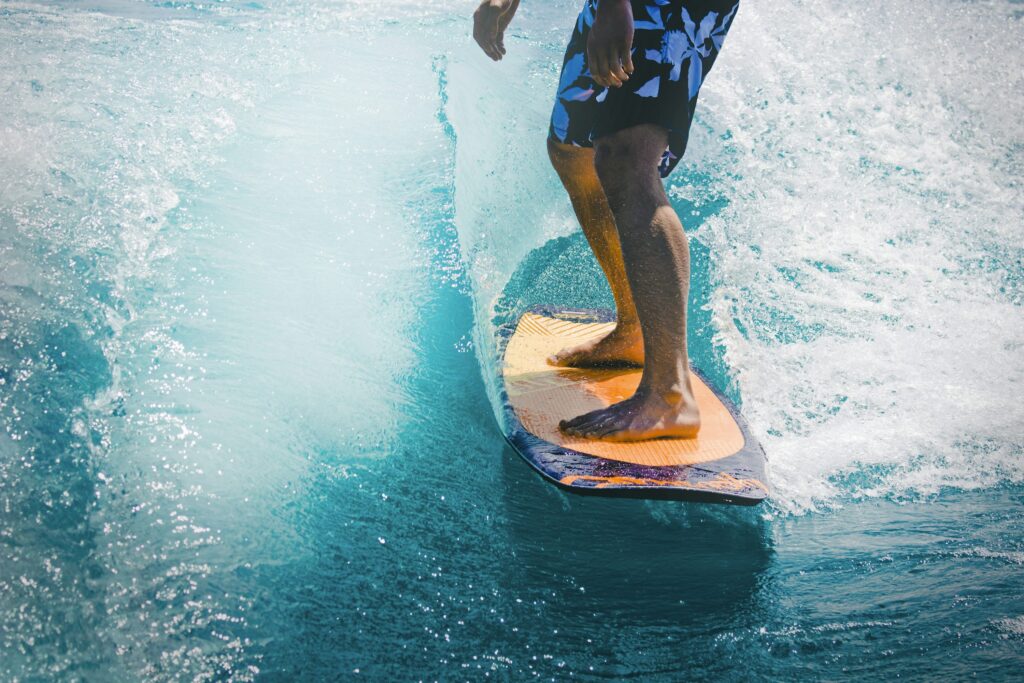
Not every activity needs to sit at the extreme end of adventure either. For one person, the perfect day might involve a long hike; for another, kayaking along a quiet coastline, trying climbing for the first time, getting on a SUP or exploring an area by bicycle. Someone else may be looking for yoga, a group workout or a wellness experience in a setting that feels different from everyday life. Active travel does not mean spending every day testing your limits. It is more about participating in a place instead of simply watching it pass in front of you.
This variety also means there is no single answer to the question, “What activities can I do in Greece?” The answer changes depending on where you are, the season, your level of experience, the people you are travelling with and, perhaps most importantly, what you want from that particular day. Sometimes you want intensity, sometimes exploration, and sometimes you simply want a few hours of movement away from screens and the familiar rhythm of everyday life.
Travel changes when you start asking “what can I do there?”
For years, most trips were organised around a familiar set of questions: where will we stay, where should we eat, which sights should we visit and which beaches are worth seeing? All of those questions still matter, but more travellers are beginning to add another one: what can I actually do there? That small change shifts travel from observation towards participation. A destination is no longer chosen only because it looks beautiful, but because it offers something you genuinely want to experience.
It might be a trail you have wanted to walk for years, your first descent through a gorge, a sea route that cannot be explored from the road or a session led by people who live and work in the area. These moments have a different way of staying with us. You do not remember only the landscape. You remember how you felt inside it, who was with you, what challenged you and the moment you realised you could actually do it. Somewhere along the way, a destination stops being another pin on a map and becomes a personal story.
That is also why searching for things to do in Greece can become much more interesting when the question moves beyond traditional sightseeing. The country is not short of landmarks worth visiting, but sometimes the strongest connection with a destination comes from participating in something rather than simply standing in front of it. The difference between seeing a mountain from the road and spending several hours walking through it is difficult to explain until you have experienced both.
Every season reveals a different Greece
Summer will always remain an essential part of the Greek experience, but it does not need to be the only season for exploration. Spring transforms the mountains, brings more water to rivers and gorges and creates conditions for experiences that feel completely different from those of August. Autumn brings milder temperatures, fewer crowds and a slower rhythm to trails and mountain destinations. Winter opens another side of the country altogether, with snow, mountain landscapes and activities that have very little in common with the traditional image of a Greek holiday.
There is therefore no single “right” season for being active in Greece. There is simply the right activity for the season, the place and the conditions. This idea can gradually change the way we travel within the country as well. Instead of waiting an entire year for a few weeks of summer holidays, smaller experiences can be spread throughout the year. A weekend, a day trip or even a few hours can be enough to interrupt routine and remind us how many possibilities are closer than we think.
This does not mean every season suits every activity, and that is part of what makes year-round exploration interesting. The landscape changes, conditions change and the experience changes with them. Returning to the same part of Greece at a different time of year can sometimes feel less like repeating a journey and more like discovering a new place.
Why every season offers unique outdoor experiences | InAction
Not every experience needs to be an adventure
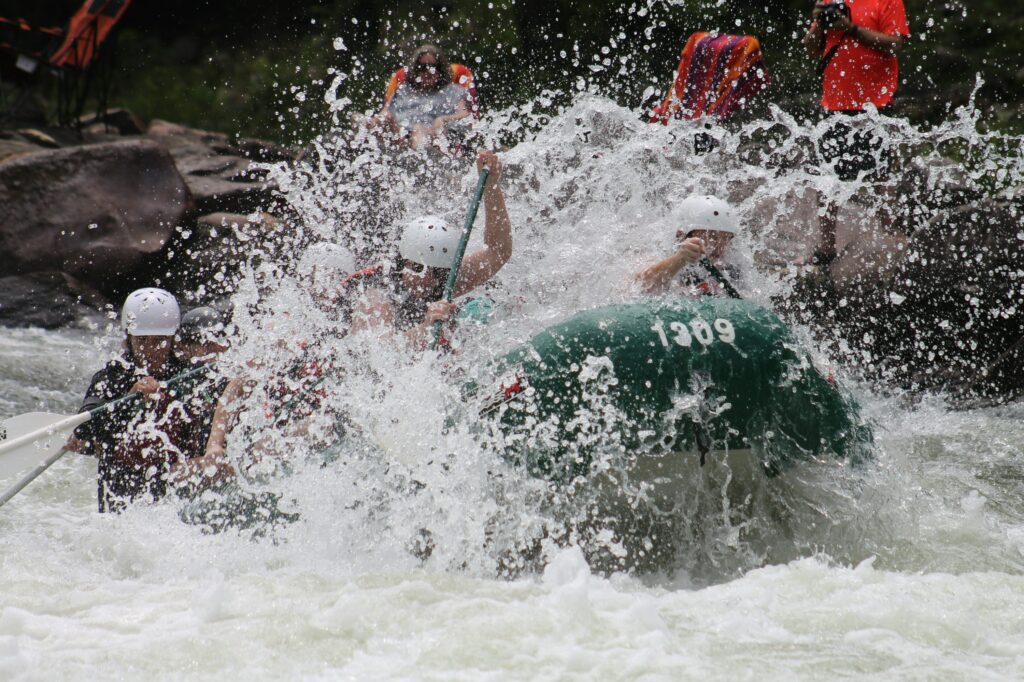
The word “activity” can easily bring images of intensity to mind: mountains, ropes, helmets, fast-moving water or some demanding physical challenge. That interpretation unnecessarily limits the range of experiences available. An active lifestyle is not measured by the amount of adrenaline involved. For one person it might mean canyoning, while for someone else it could be a gentle hike, a Pilates class, yoga beside the sea, an activity with the children or a group workout in a city they are visiting for a few days.
This matters for another reason as well: it makes the idea of experiences more accessible. You do not need to be an athlete or have years of experience before you begin discovering new activities. You need to find something that matches your current level, interests and mood. A first experience can be simple and still open the door to many others. Someone who begins with an easy hike may eventually want to explore more challenging routes. A person who discovers yoga may start thinking differently about movement and wellbeing more generally. What matters is not how impressive an activity looks from the outside, but whether it makes you want to do something again.
This broader understanding of activities is particularly relevant in Greece because the possibilities are not limited to one type of traveller. Outdoor adventures can exist alongside fitness, wellness, family experiences and more relaxed ways of exploring a destination. A couple travelling for a weekend, a family looking for something to do together and someone travelling alone may all experience the same place in completely different ways.
From “where should I go?” to “what do I want to experience?”
Perhaps this is the biggest change in the way we can think about travel and our free time. Instead of always beginning with the destination, sometimes we can begin with the experience. I want to walk in the mountains. I want to try canyoning. I want to kayak. I want a weekend with more movement, or I want to discover a wellness activity. Only then comes the next question: where can I do it?
This is exactly the thinking behind InAction. The idea is to shorten the distance between intention and action. To make it easier for someone to discover activities based on where they are, what interests them and what they would like to try, without searching through dozens of different pages just to understand what is available. Outdoor, fitness, wellness and other experiences can exist in the same place because, in real life, they are not isolated categories. They are different ways of moving, meeting people, discovering a destination and ultimately using our free time differently.
For a country like Greece, that approach becomes even more interesting. The problem is rarely a lack of things to do. More often, it is knowing what exists, where to find it and how to turn an idea into an actual plan. The easier discovery becomes, the more likely it is that something we notice on our phone one evening becomes a real experience a few days later.
Less Scroll. More Life.
Greece will continue to be associated with summer, the sea and its islands, and there is no reason to change that. We do not need to replace that image. We simply need to make it bigger. Because beyond the postcard is a country where you can walk, climb, swim, paddle, train, slow down, meet people and try something for the first time during almost every season of the year.
Perhaps the best way to discover a place is not simply to visit it.
It is to do something while you are there.
To return home not only with photographs of where you went, but with a story about what you experienced.
Less Scroll. More Life.
Inaction – Discover fitness and outdoor experiences near you and book activities in seconds.