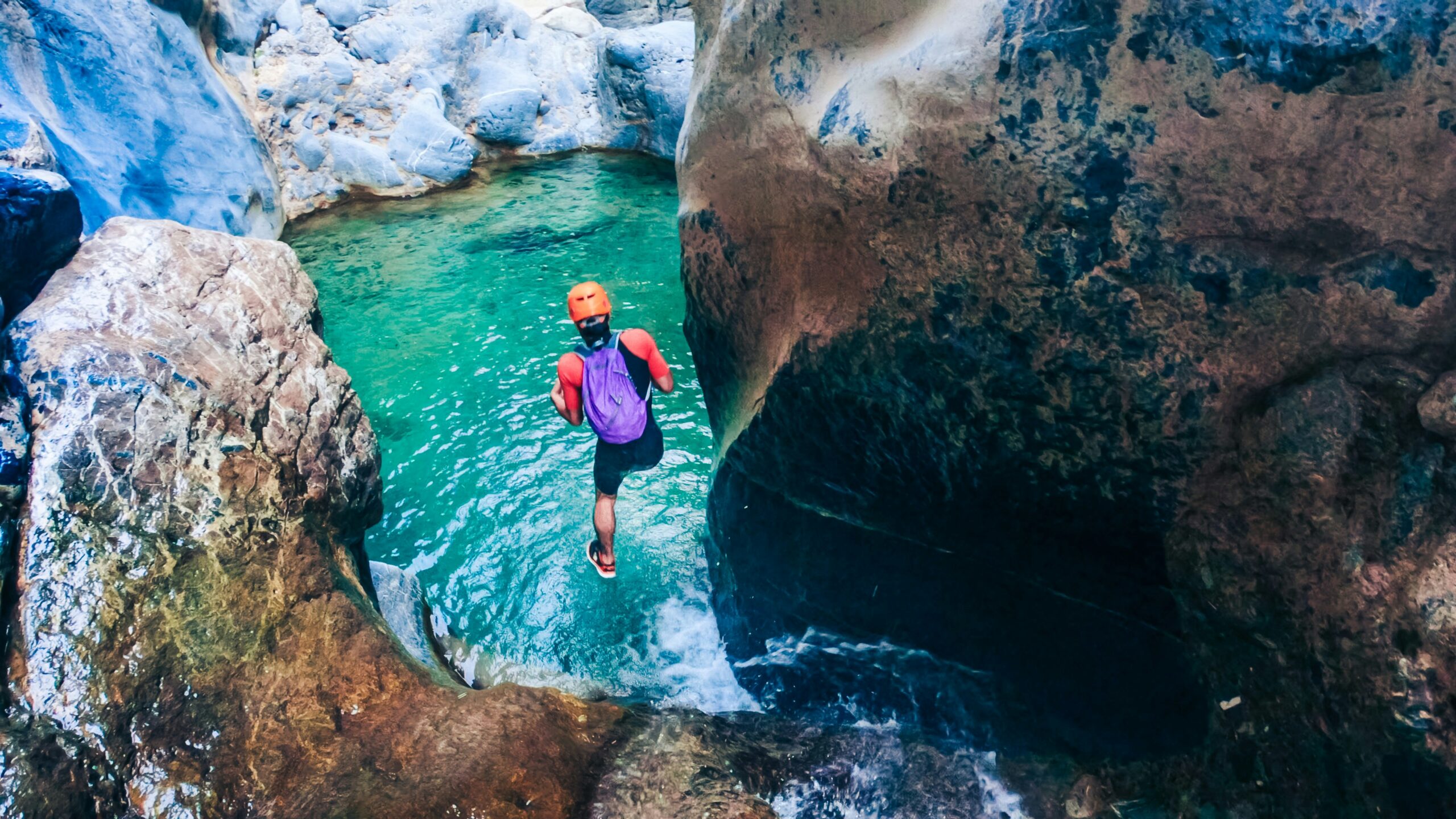

There is a conversation that seems to happen more often as people get older. At some point during a dinner with friends, a family gathering or a casual coffee, someone inevitably says the same thing. Time feels like it is moving faster. Summers seem shorter than they used to. Years disappear almost without warning. Months pass before we have a chance to process them. It is such a common feeling that most people assume it is simply a natural consequence of getting older.
But perhaps age is only part of the story.
The way we experience time is influenced by much more than calendars and clocks. It is also influenced by the number of meaningful experiences we fit into our lives. When our days become predictable, our memories begin to blend together. When we encounter new places, new people and new experiences, something different happens. Time does not actually slow down, but our perception of it changes.
This may explain why childhood summers often feel enormous when we remember them years later. They were not longer than the summers we experience today. They simply contained more first times. New places, new adventures, new friendships and new discoveries. Everything felt unfamiliar, which meant our brains were constantly paying attention. As a result, those periods became rich with memories and seem much larger when we look back at them.
As adults, many of us live very different lives. We follow routines, take the same routes to work, spend time in familiar environments and repeat the same habits week after week. Routine is useful because it creates structure, but it can also make time feel compressed. When days become nearly identical, the brain has fewer reasons to treat them as separate memories. Entire weeks can disappear into a single mental snapshot.
We do not remember time. We remember moments
One of the most interesting things about memory is that we rarely remember time itself. We remember experiences. We remember conversations, places, emotions and unexpected moments. We remember standing at the top of a trail with a view we did not expect. We remember a spontaneous day trip, a sunset by the sea or the feeling of discovering somewhere completely new.
When people look back on the most meaningful periods of their lives, they are usually remembering collections of moments rather than blocks of time. This is why a single weekend filled with experiences can feel larger in memory than an entire month of routine. The number of days may be smaller, but the number of meaningful moments is often much greater.
This helps explain why travel, outdoor activities and new experiences have such a powerful effect on our perception of life. They create memory markers. They give the brain something worth storing. The more memory markers we create, the richer and more detailed our lives appear when we look back on them.
First times create stronger memories
There is a reason people often remember first experiences so vividly. The first hike, the first kayaking session, the first time visiting a new island or the first time joining an outdoor activity all tend to stay with us longer than repeated experiences.
Novelty demands attention. When we enter a new environment, the brain becomes more alert. We notice details, observe our surroundings and process information more actively. We become more present because we cannot rely entirely on habit.
This heightened awareness makes experiences feel larger. It also helps explain why people who continue trying new things often describe life as feeling more exciting and meaningful. They are not creating more hours in the day. They are creating more memorable moments within those hours.
Over time, these moments accumulate. They become stories we tell, memories we revisit and experiences that shape how we see our lives.
Participation changes everything
There is an important difference between watching and participating. Modern technology allows us to observe almost anything from anywhere in the world. We can watch people travel, explore, exercise and experience extraordinary things without ever leaving our homes.
Yet observation and participation create completely different outcomes.
Watching a video of a mountain trail is not the same as walking it. Seeing photos of a destination is not the same as standing there yourself. Reading about an experience is not the same as living it.
Participation requires presence. It demands attention. It creates emotional involvement. When we actively engage in an experience, our senses work together to build a stronger memory. We remember not only what happened but also how it felt.
This is one of the reasons outdoor activities continue to attract more people. They offer opportunities for genuine participation. They encourage people to step away from passive consumption and become part of the experience themselves.
Small experiences often matter the most
Many people assume meaningful memories require dramatic adventures or major life events. In reality, some of the most powerful experiences are surprisingly simple.
A short hike on a Sunday morning. A paddleboarding session after work. A visit to a nearby village that you have never explored. A wellness activity in a new setting. A day spent outdoors with people you enjoy spending time with.
These moments may seem small at the time, but they have an extraordinary ability to interrupt routine. They create contrast. They introduce something different into an otherwise predictable week. And because they are different, they stand out in memory.
The goal is not to constantly chase excitement. The goal is to create enough variety that life continues to feel fresh and engaging.
Greece offers endless opportunities for new experiences
One of Greece’s greatest advantages is how accessible new experiences can be. Mountains, coastlines, islands, trails, lakes and outdoor activities exist throughout the country. Many of them are located surprisingly close to major cities.
People often travel abroad searching for memorable experiences while overlooking opportunities that exist much closer to home. The challenge is rarely a lack of options. More often, it is a lack of discovery.
There are countless activities, communities and experiences happening every week. The difficulty is knowing where to find them. When discovery becomes easier, participation increases. And when participation increases, people naturally create more memories and richer experiences.

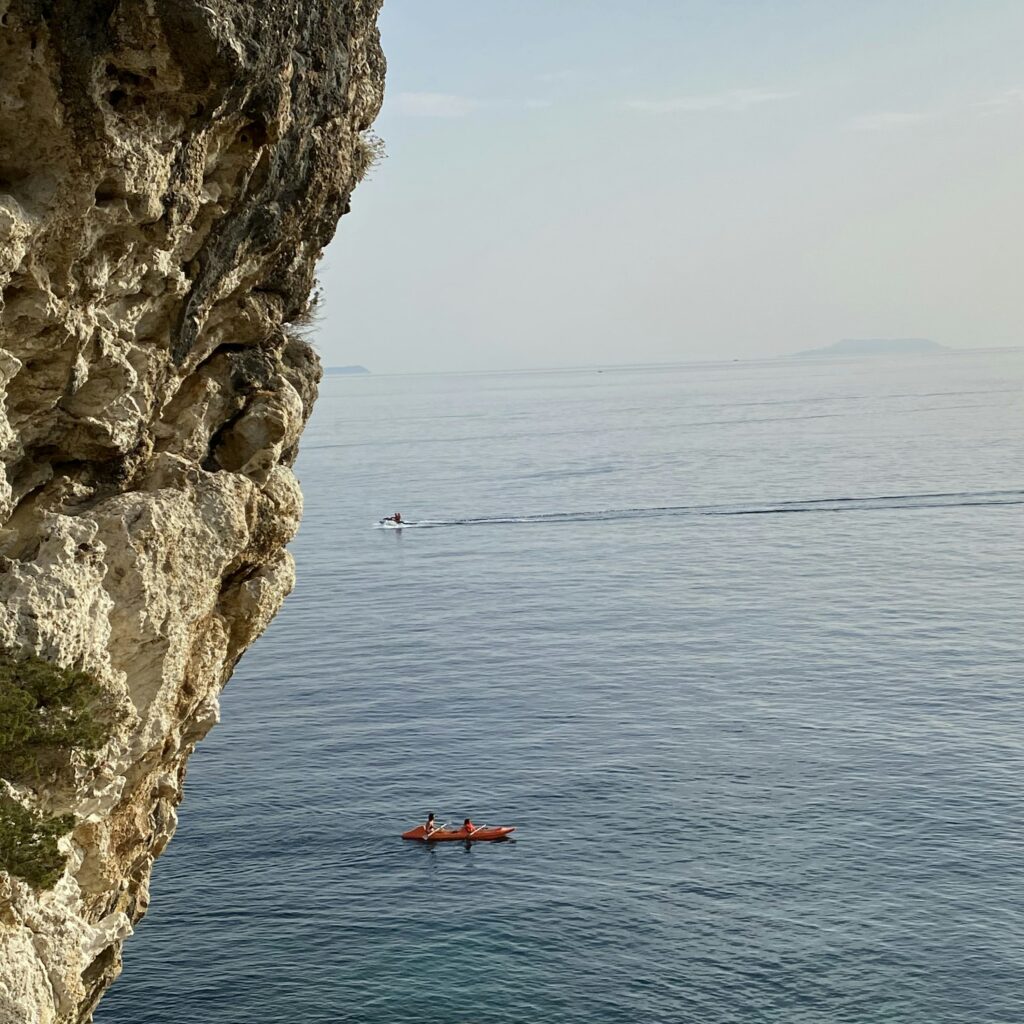

How οutdoor communities are changing the way we socialize | InAction
How InAction connects with this idea
InAction was built around a simple belief. People do not necessarily need more free time. They need more meaningful ways to use the time they already have.
Finding outdoor activities, experiences and communities should not require hours of searching across different websites and social platforms. The easier it becomes to discover experiences, the more likely people are to participate in them.
By bringing activities, experiences and active communities together in one place, InAction helps people spend less time searching and more time living. Whether someone is looking for a hiking experience, a wellness activity, a watersport or a completely new hobby, the goal remains the same: make participation easier and help people create moments worth remembering.
Because at the end of the day, what we remember most is not how much time we had. It is what we did with it.
Less Scroll. More Life.
Perhaps time does not really move faster as we get older. Perhaps we simply give it fewer reasons to stand out.
Every new experience, every activity and every unfamiliar place adds another page to our personal story. The more pages we create, the fuller and richer that story becomes.
Life is not measured only by years. It is also measured by experiences.
And the experiences we choose today often become the memories we carry for years to come.
Less Scroll. More Life.
Inaction – Discover fitness and outdoor experiences near you and book activities in seconds.