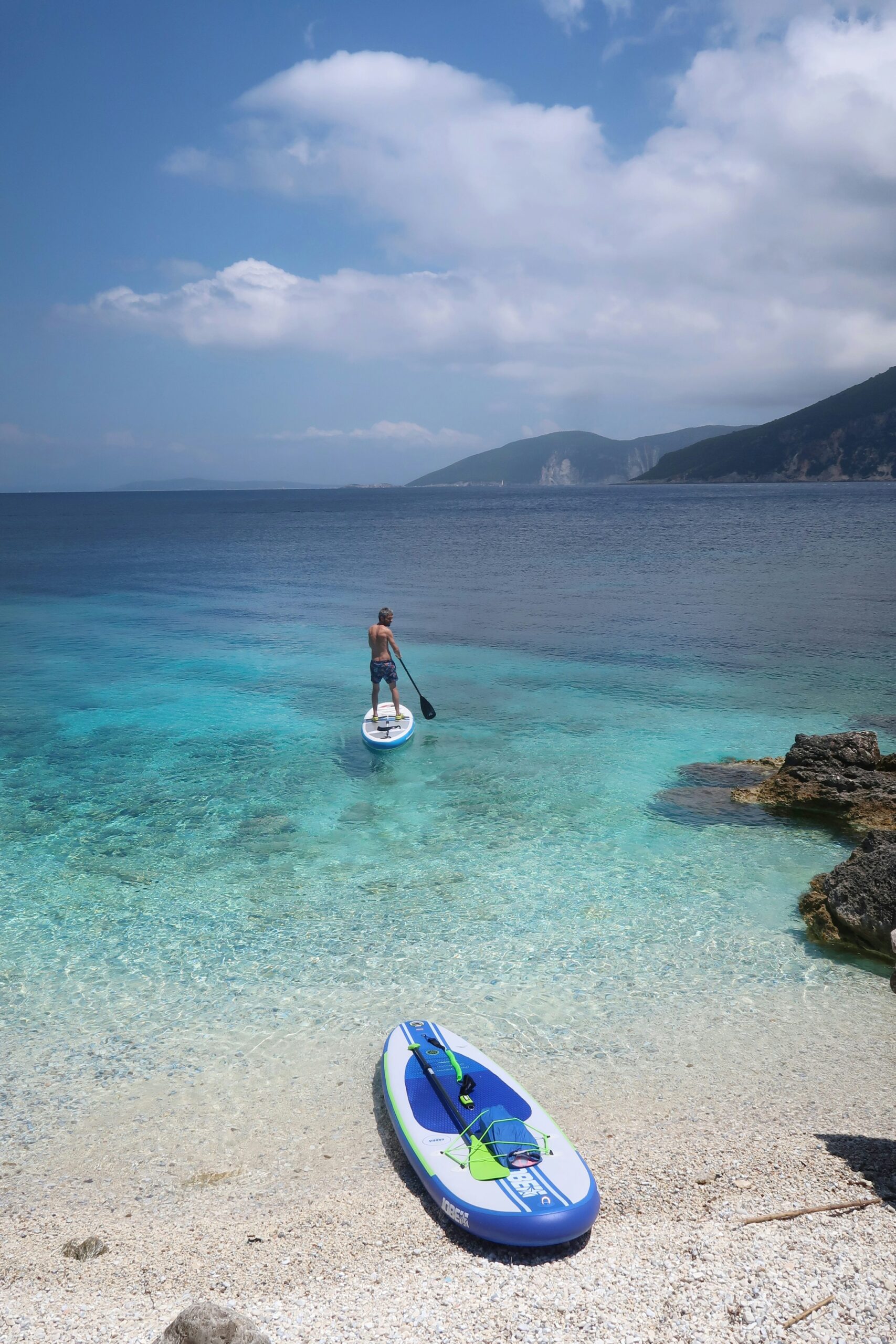

Weekends are supposed to be the reward at the end of a busy week. They are the two days people look forward to when work slows down, alarms are ignored and daily responsibilities become less demanding. Yet many people know the feeling of reaching Sunday evening and wondering where the weekend went. Nothing particularly bad happened. There was time to rest, time to scroll through social media, time to watch a series or catch up on content that had been waiting all week. Still, something feels missing. The weekend passed, but it left very little behind.
This feeling has become increasingly common in a world where entertainment is always available. Streaming platforms, social media feeds, short videos and endless digital content can fill entire days without requiring much effort. While there is nothing wrong with enjoying those things, many people have started realizing that passive entertainment rarely creates the same satisfaction as real experiences. Watching something can be enjoyable in the moment, but participating in something often stays with us much longer. This realization is one of the reasons active weekends are becoming more popular than ever.
The shift started with digital fatigue
The growing interest in outdoor activities, nature experiences and active lifestyles did not happen by accident. It emerged as a response to the way modern life has changed. Most people spend their weekdays surrounded by screens. Work happens through computers. Communication happens through phones. Information arrives through notifications. Even relaxation often takes place through another screen.
At some point, people began to feel the effects of this constant digital exposure. It was not necessarily physical exhaustion. It was something deeper. A sense that too much of life was happening through observation rather than participation. As a result, weekends started becoming more valuable. They were no longer simply time away from work. They became an opportunity to reconnect with experiences that felt real, tangible and memorable.
This is why activities such as hiking, outdoor fitness, kayaking, cycling, wellness retreats and nature experiences continue to attract more participants every year. People are searching for moments that feel different from the rest of the week. They want stories, not just content. They want experiences, not just entertainment.
The most memorable weekends usually look different
Ask someone about their favorite weekend from the past year and chances are they will not immediately talk about a television series they watched. More often, they will remember a trip, a hike, a day by the sea, an outdoor activity or an experience shared with other people. They will remember a place they discovered, a conversation they had or a moment that surprised them.
The reason is simple. Experiences engage us differently. They require our presence. When we are participating in an activity, our attention is naturally focused on what is happening around us. We notice details. We create memories. We become part of the story instead of simply observing someone else’s.
A hiking trail becomes more than a route on a map. It becomes the view at the top, the conversations along the way and the feeling of accomplishment when the day is over. A kayaking experience becomes more than time on the water. It becomes a memory connected to a specific moment, a specific place and a specific feeling. These experiences stay with us because they involve participation.
Rest does not always mean doing nothing
For a long time, people associated rest with inactivity. If you were tired, you stayed home. If the week had been stressful, you spent the weekend on the couch. While relaxation remains important, many people are discovering that doing nothing is not always the most refreshing option.
There is a different kind of energy that comes from changing your environment. Spending a few hours outdoors, moving your body, exploring a new place or participating in an activity often leaves people feeling more refreshed than a full day spent indoors. It may sound contradictory, but active experiences can sometimes provide deeper recovery than passive entertainment.
Part of the reason is that these experiences create mental space. They interrupt routines. They shift attention away from work, notifications and everyday responsibilities. They allow people to focus on the present moment, which has become increasingly rare in modern life.
As a result, active weekends are no longer viewed as exhausting. Many people now see them as one of the most effective ways to recharge before a new week begins.
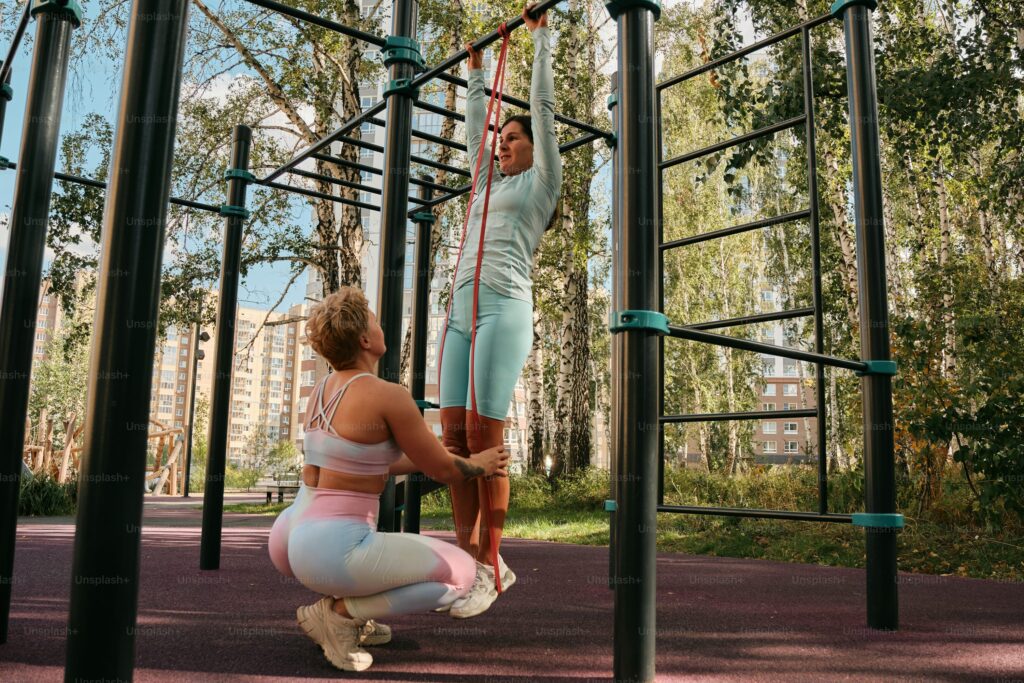
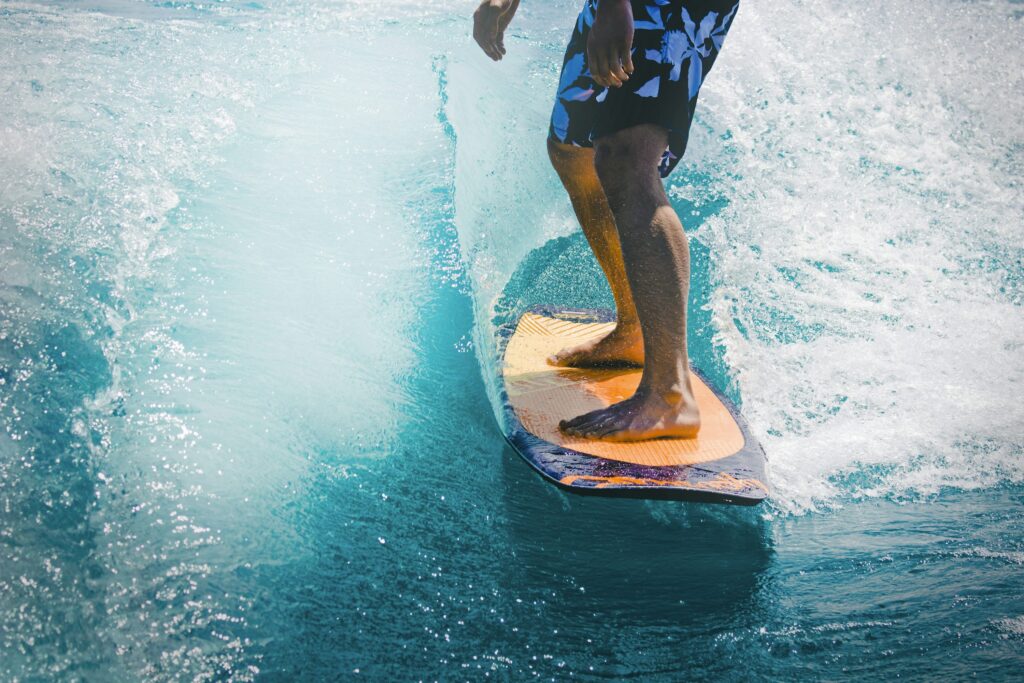
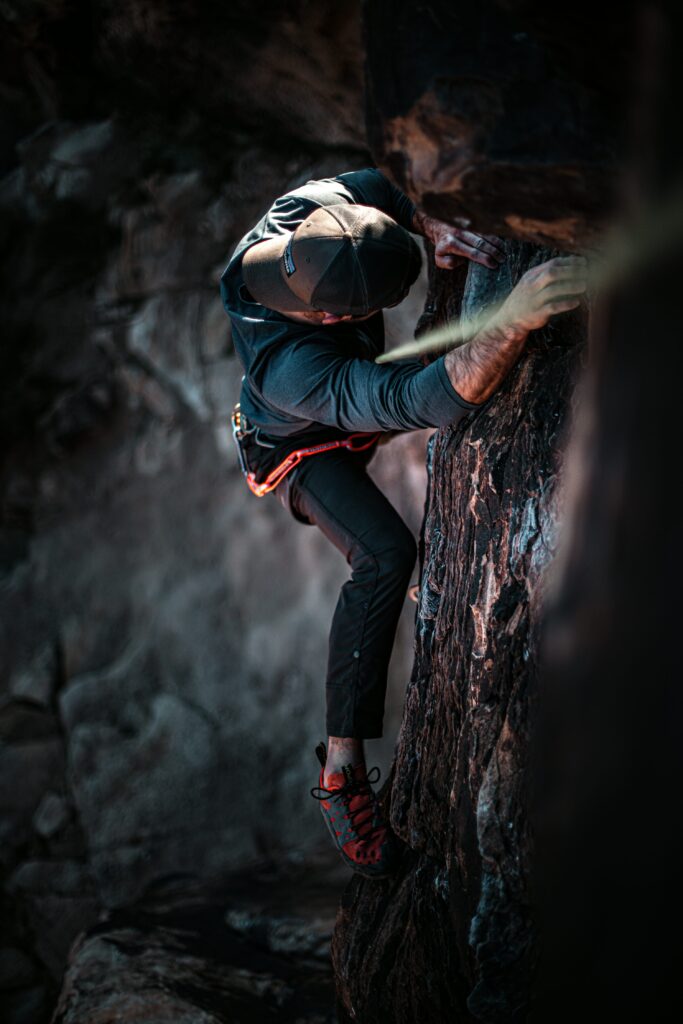
Γιατί οι άνθρωποι νιώθουν καλύτερα όταν περνούν χρόνο στη φύση
Community matters more than we think
Another important reason active weekends continue to grow is the sense of connection they create. Behind many outdoor activities are communities of people who share similar interests and values. Hiking groups, outdoor clubs, wellness communities and activity-based gatherings bring together people who want more from their free time than simply consuming content.
For many participants, the community becomes just as valuable as the activity itself. Friendships develop naturally through shared experiences. Conversations happen more easily when people are engaged in something together. A simple outdoor activity can become the beginning of new connections, new routines and even entirely new lifestyles.
In an era where social interaction increasingly happens online, real-world communities offer something unique. They create a sense of belonging that cannot be replicated through a screen. This is one of the reasons people continue returning to activities long after the initial excitement has faded.
A different philosophy of free time
Perhaps the biggest change is not the activities themselves but the way people think about their free time. More individuals are beginning to view weekends as opportunities for experiences rather than simply opportunities to rest. They want to invest their time in things that create memories, stories and personal growth.
This does not mean every weekend must be packed with activities. It does not mean people need to constantly seek adventure. Instead, it reflects a shift toward intentional living. Choosing a new experience, joining an activity or exploring a nearby destination becomes a way of making time feel more meaningful.
Small decisions often have a bigger impact than expected. One activity can lead to a new hobby. One experience can introduce new people. One weekend can inspire a completely different approach to free time. These changes may seem minor at first, but over time they shape how people experience their lives.
How InAction connects with this shift
The biggest obstacle for most people is not motivation. It is discovery. Across Greece there are countless activities, outdoor experiences and active communities taking place every week. Yet many people never participate simply because they do not know these opportunities exist.
InAction was created to solve exactly this problem. By bringing outdoor activities, wellness experiences and active communities together in one place, it helps people spend less time searching and more time participating. The goal is not only to help someone book an activity. The goal is to make an active lifestyle easier to discover and easier to embrace.
Because sometimes the difference between an ordinary weekend and a memorable one is simply knowing what opportunities are available around you.
Less Scroll. More Life.
As life becomes increasingly digital, real experiences become increasingly valuable. The moments we remember most are rarely the ones spent consuming content. They are the moments when we participated, explored, connected and stepped outside our normal routine.
Perhaps that is why more people are choosing active weekends over passive entertainment. Not because they reject relaxation, but because they have discovered something that passive entertainment rarely provides: meaningful memories, genuine experiences and a stronger connection to the world around them.
Less Scroll. More Life.