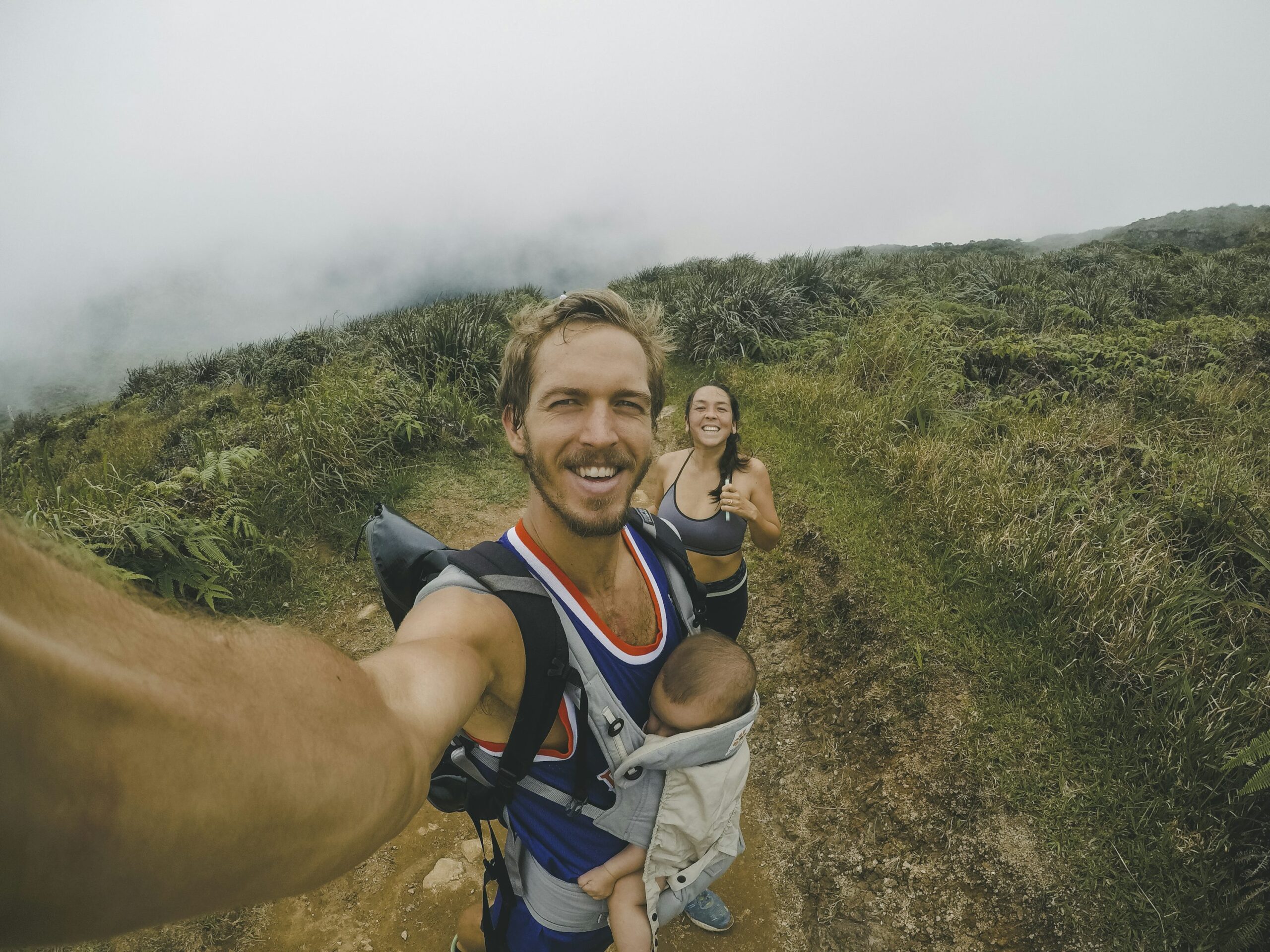

One of the most common reasons people give for avoiding outdoor activities has nothing to do with time, money or even interest. It usually starts with a simple sentence. I am not that kind of person.Some believe they are not fit enough. Others think they need expensive equipment, years of experience or a level of confidence they simply do not have. Many imagine that hiking, kayaking, climbing or canyoning are reserved for athletes and highly adventurous people who have spent years training outdoors.
The reality is very different. Almost everyone who enjoys outdoor activities today was once a complete beginner. They had never worn a climbing helmet. They had never walked along a mountain trail or stepped into a kayak. They did not know what equipment was necessary or whether they would even enjoy the experience. The only difference between them and the people who are still hesitating today is that they eventually decided to give it a try. Interestingly, very few people remember their first outdoor activity because they performed exceptionally well. They remember it because it changed the way they thought about themselves. It showed them that the biggest obstacle had never been the activity itself. It had been the assumptions they had made before they even started.
Most people begin with the wrong picture in their minds
Social media has introduced millions of people to the beauty of outdoor adventures, but it has also created a misleading impression. The images that receive the most attention are often the most dramatic ones. Steep mountain ridges, demanding climbs, deep canyons and extreme adventures naturally attract views because they are visually impressive. What these images rarely show is that they represent only a very small part of the outdoor world.
Behind every spectacular expedition there are thousands of accessible experiences designed for ordinary people. Gentle hiking routes, beginner kayaking sessions, paddleboarding on calm water, guided cycling tours, family-friendly nature walks and introductory climbing experiences welcome participants with little or no previous experience. Most professional guides spend far more time introducing beginners to outdoor activities than leading expert athletes. This is an important distinction because many people never discover how accessible outdoor experiences really are. They compare their first step with someone else’s tenth year instead of comparing it with where that person actually began. The truth is that every experienced outdoor enthusiast was once the person asking beginner questions.
You do not need perfect fitness before you begin
Perhaps the biggest misconception surrounding outdoor activities is the belief that people must first become fit before they are allowed to participate. It sounds logical, yet reality usually works in the opposite direction. Most people improve their fitness because they start participating in activities they genuinely enjoy. They do not wait until they become stronger before hiking. They become stronger because they hike. They do not learn balance before trying paddleboarding. They develop balance by spending time on the water. They do not suddenly wake up confident enough to climb. Confidence grows naturally through experience.
Outdoor activities encourage movement in a completely different way than traditional exercise. Instead of counting repetitions or focusing on performance, participants become immersed in the experience itself. They pay attention to the landscape, the conversation, the river, the forest or the mountain around them. Physical activity becomes part of something enjoyable rather than the sole purpose of the day. This simple shift changes everything. Instead of exercising because they feel they have to, people begin moving because they genuinely want to. The experience comes first. Improved fitness becomes a natural consequence.
Expensive equipment is rarely the first requirement
Another reason many people hesitate is cost. They imagine they must invest in expensive technical clothing, specialised footwear and professional equipment before taking part in their first activity. In reality, organised outdoor experiences are designed very differently.
Most providers supply everything participants need. Helmets, harnesses, wetsuits, life jackets, climbing equipment, paddles and safety gear are usually included as part of the experience. Beginners are expected to arrive with comfortable clothing, suitable shoes and an open mind rather than a garage full of outdoor equipment. Only after people discover that they genuinely enjoy an activity do they begin investing in their own gear. This makes perfect sense. Buying equipment before trying something is similar to buying a bicycle before learning whether you actually enjoy cycling. The first step should always be the experience itself. Everything else can come later.
The hardest part is usually saying yes
Ask almost anyone who regularly spends time outdoors about their very first activity and they will often remember the same feeling. Doubt. They wondered whether they would slow the group down. They worried about being the least experienced participant. They questioned whether they had made the right decision by signing up.
Then something interesting happened. Within a surprisingly short time, those fears disappeared. The guides explained everything patiently. The group quickly became supportive rather than competitive. Nobody expected beginners to behave like experts. Everyone simply focused on enjoying the experience together. Many participants finish their first activity wondering why they waited so long before trying it. The challenge was never the trail, the kayak or the climb. The challenge was taking the first step.
The greatest reward is not the activity itself
People often assume that the highlight of an outdoor experience will be the destination, the mountain peak or the impressive view. While those moments certainly matter, they are rarely what stays with us the longest. What people remember years later is usually something far more personal. They remember the moment they realised they were capable of doing something they had once believed was beyond them. They remember finishing a trail they almost talked themselves out of joining. They remember laughing with strangers who quickly became part of the experience. Most of all, they remember how they felt when they discovered that the limits they had imagined were often much smaller than the opportunities waiting outside.
That is why outdoor activities leave such a lasting impression. They are not about proving anything to anyone. There are no rankings, no competitions and no expectation that everyone must perform at the same level. Every participant arrives with different abilities, different fears and different goals. Success is not measured by speed or distance. It is measured by participation. Many people sign up expecting to try a new activity. What they actually discover is a new level of confidence. Completing a simple hike, learning how to paddle for the first time or overcoming the hesitation before an activity often creates a sense of achievement that extends well beyond that single day. It quietly changes the way people see themselves.
Outdoor activities are surprisingly social
Another misconception is that outdoor activities are solitary experiences. While spending time alone in nature can certainly be rewarding, most organised activities are built around small groups where people naturally connect through a shared experience. Something interesting happens when people leave everyday routines behind. Conversations become easier. Phones stay in pockets. Instead of discussing work, deadlines or daily responsibilities, people talk about the trail ahead, the landscape around them or the experience they are sharing together.
By the end of the day, complete strangers often feel surprisingly familiar. Many long-lasting friendships have started during a hike, a climbing session or a kayaking trip. Not because people were trying to meet someone new, but because shared experiences create genuine conversations without forcing them. This sense of community is one of the reasons so many participants return. They are not only coming back for another activity. They are returning to reconnect with people who enjoy spending their free time in a similar way. In a world where more social interaction happens through screens, these real-life communities have become increasingly valuable.
There is no perfect age to begin
One of the most encouraging things about outdoor activities is their diversity. Spend a day with almost any organised group and you will probably meet people from completely different backgrounds. University students, parents, professionals, retirees and travellers often participate in the very same activity. Some people started exploring nature in their twenties. Others discovered hiking after forty. Many found outdoor activities only after their children had grown up or after deciding they wanted a healthier relationship with their free time. Nature does not ask when you started. It simply welcomes those who arrive.
There is no perfect age to begin exploring, learning or trying something new. Curiosity has no age limit, and neither does the satisfaction of discovering a place you have never seen before. The first experience may happen at twenty-five or sixty-five. What matters is that it happens.
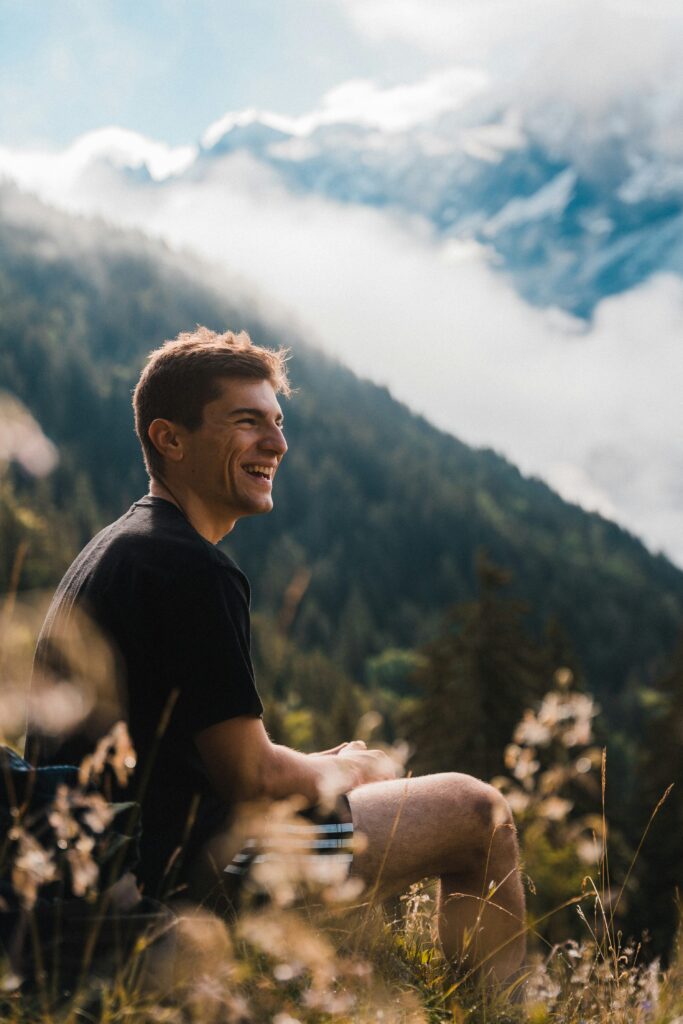
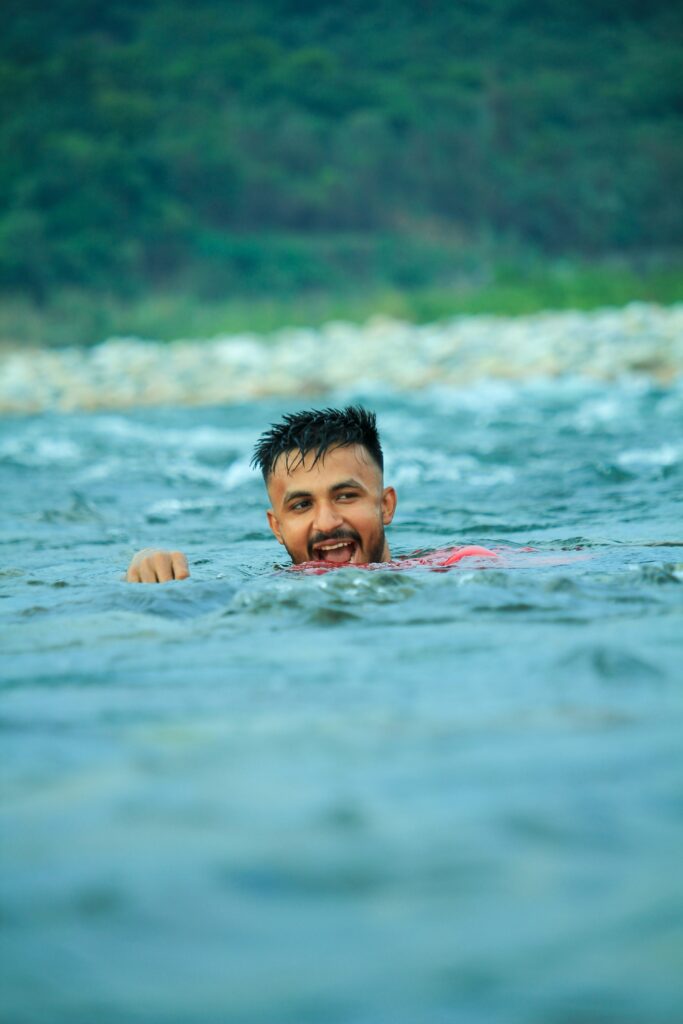
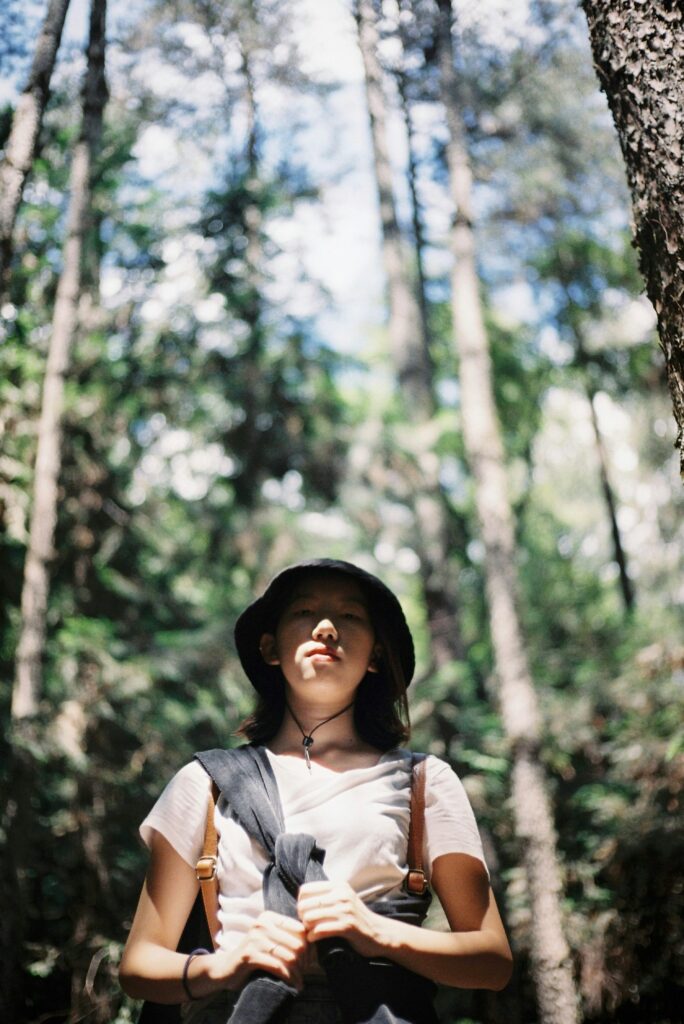
Why more people are choosing Active Weekends over passive entertainment | InAction
Making the first step easier
For many beginners, the hardest part is not choosing an activity. It is knowing where to start. Which experience is suitable for beginners? What equipment is required? Is the activity physically demanding? Are the guides experienced? What should participants expect? These questions are completely natural. This is exactly why InAction was created.
Instead of searching across multiple websites, social media pages and local communities, people can discover organised outdoor experiences, trusted activity providers and active communities in one place. Whether someone wants to try hiking, kayaking, canyoning, climbing, cycling or another outdoor activity, the goal is always the same: make discovery easier and remove the uncertainty that often prevents people from taking the first step. Outdoor activities should feel accessible, not intimidating. Because once people discover how enjoyable their first experience can be, the second one usually becomes much easier.
Less Scroll. More Life.
Every experienced hiker, climber, paddler or outdoor enthusiast was once a beginner. They all had questions. They all felt uncertain. They all wondered whether they were capable. The difference is that one day they decided to stop imagining the experience and start living it. You do not need exceptional fitness. Υou do not need expensive equipment. You do not need years of experience. You only need curiosity, an open mind and the willingness to take the first step. Because the most memorable adventures rarely begin when everything feels comfortable. They begin the moment we decide to say yes to something new.
Less Scroll. More Life.
Inaction – Discover fitness and outdoor experiences near you and book activities in seconds.