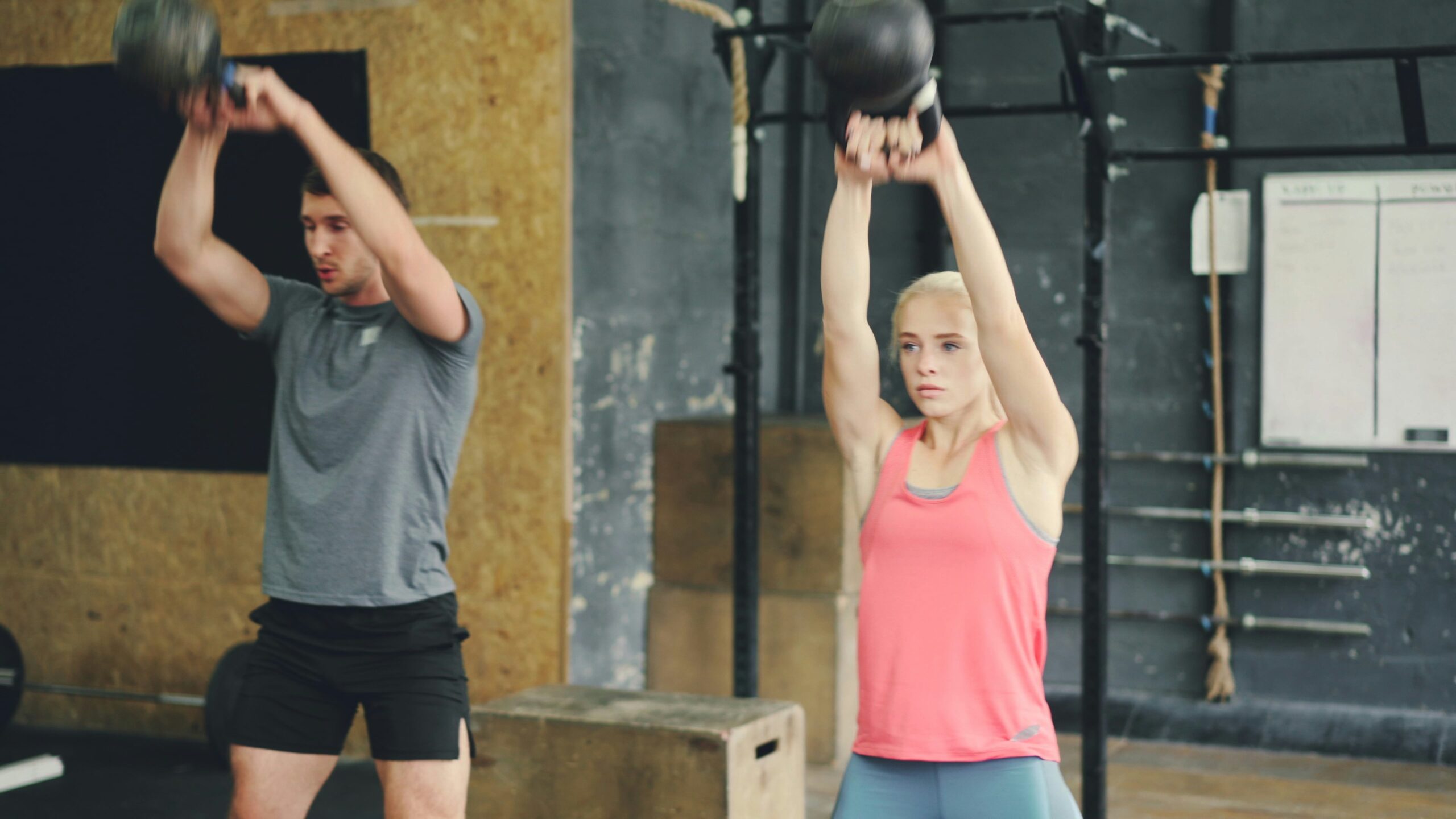

Carrying a heavy suitcase, walking upstairs with shopping bags or finding your balance on an uneven hiking trail all require more than muscular strength. Your body relies on several muscle groups working together, combining mobility, coordination and stability to respond to the demands of each movement. These everyday actions illustrate the principles behind functional training, an approach to exercise that connects physical fitness with the way we move through life.
Although functional training has become increasingly popular in modern gyms and fitness studios, many of its underlying principles have long been part of athletic preparation and strength training. What distinguishes this approach is the way exercises are selected, organised and adapted to serve a particular purpose. Rather than focusing exclusively on individual muscles, functional training places greater emphasis on movement quality, physical capability and how different parts of the body work together.
What functional training is and how it works
Functional training is built around movement patterns that appear throughout everyday life and sporting activities. Squatting, lunging, pushing, pulling, carrying and rotating are common examples. These movements often involve multiple joints and muscle groups, requiring the body to produce force while maintaining balance and stability. Depending on the exercise, they can also challenge coordination, mobility and muscular endurance.
A functional training programme may incorporate kettlebells, dumbbells, resistance bands, medicine balls, suspension trainers or simply bodyweight exercises. However, the equipment itself does not determine whether an exercise is functional. A basic bodyweight squat may be considerably more useful for a beginner than a complicated movement involving several pieces of equipment. The effectiveness of an exercise depends on its purpose, the individual’s physical capabilities and the goals of the programme.
A well-designed functional fitness programme combines strength development with opportunities to improve movement control. As participants become more comfortable with the technique, they can gradually increase resistance, improve their range of motion or introduce more demanding movement patterns. Progress can therefore be measured through several factors, including strength, coordination, stability and the ability to perform movements with greater confidence and control.
How functional training differs from traditional weight training
Functional training and traditional weight training are sometimes presented as competing approaches to fitness, although they share many fundamental principles. Exercises such as squats, deadlifts and presses appear regularly in both training styles and can contribute to muscular strength and physical performance. The distinction generally lies in how these exercises are organised and which outcomes the programme prioritises.
Traditional weight training, particularly when designed around muscle growth, often focuses on developing specific muscle groups. A training session might concentrate on the chest and triceps, for example, or include resistance machines that allow an individual muscle to be targeted more directly. Functional training typically dedicates more time to integrated movements, encouraging different muscle groups to work together while challenging stability, coordination and control.
Neither approach is inherently superior. Someone primarily interested in increasing muscle mass may benefit from a structured hypertrophy programme, while a person looking to develop broader physical capabilities might prefer a combination of strength and movement-based exercises. Many people successfully incorporate both approaches into their fitness routine, using traditional resistance training to build strength alongside functional exercises that address mobility, balance and coordination.
The benefits of functional training in everyday life
One of the most appealing aspects of functional training is that its benefits can extend beyond the gym. Carrying luggage, climbing stairs, lifting objects and maintaining balance on uneven ground all require physical abilities that can be developed through appropriate exercise. For people who spend much of their working day sitting at a desk, regular movement and strength training can also help maintain mobility and improve their capacity to manage everyday physical demands.
Core strength is an important component of many functional training programmes. The muscles responsible for stabilising the trunk contribute to a wide range of movements, from carrying a heavy object to performing a controlled lunge. Through appropriate exercises, participants can develop better control of their body as resistance, direction and movement demands change. Practising different movement patterns regularly may also help improve balance, coordination and muscular endurance, depending on the structure and consistency of the programme.
Functional training can be particularly relevant for people who enjoy outdoor activities. Hiking, climbing and canyoning involve different combinations of strength, endurance and body control, often in environments where movement is less predictable than it is inside a gym. Developing general physical fitness can provide a useful foundation for these experiences, although it should always complement rather than replace activity-specific preparation, technical instruction and appropriate safety equipment.
Who can benefit from functional training
Functional training can be adapted to a wide range of ages, fitness levels and personal goals. Beginners can start with straightforward exercises that introduce fundamental movement patterns, while experienced participants may work with heavier resistance or more demanding combinations. The intensity of a functional training session is not predetermined by the training style itself. It depends on how the programme is designed and how exercises are adapted to each participant.
For people who find conventional gym routines repetitive, the variety offered by functional training can make exercise more engaging. Group fitness classes may also introduce a social element that helps some participants establish a more consistent routine. Others may prefer working with a personal trainer, particularly when they have specific performance goals or need additional guidance to develop their technique. Both formats can be effective when the quality of instruction and the structure of the programme match the individual’s needs.
People returning to exercise after a long break, managing an existing injury or living with a medical condition should choose a programme that reflects their current physical capabilities, seeking appropriate professional or medical guidance where necessary. Functional training is not automatically a form of rehabilitation, and individual exercises may not be suitable for everyone. Its versatility becomes valuable when a qualified professional understands how to adjust movements, resistance and training volume to the person performing them.
What to expect from your first functional training class
A typical functional training class often lasts between 45 and 60 minutes, although the duration and structure vary between fitness studios. Sessions usually begin with a warm-up and preparatory movements related to the exercises that follow. The main part of the class may involve exercise stations, structured strength sets or combinations of movements performed at different resistance levels. Some programmes concentrate primarily on strength development, while others incorporate more cardiovascular conditioning.
If you are attending your first class, there is no need to match the pace or resistance used by more experienced participants. Let your instructor know about your previous exercise experience and any physical limitations that may affect your training. A qualified instructor should be able to explain the movements, suggest suitable alternatives and adjust the difficulty when necessary. Comfortable sportswear, appropriate training shoes, a water bottle and a small towel are generally sufficient for your first session.
Certain exercises may initially feel unfamiliar, particularly those involving movement patterns or coordination skills you have not practised regularly. You might experience some muscular fatigue or mild soreness afterwards, but neither is a reliable measure of how effective a workout has been. Learning the technique, increasing resistance gradually and allowing adequate recovery are more important than trying to complete the most demanding version of every exercise. Your first few sessions are an opportunity to become familiar with the training environment and establish a foundation for long-term progress.
How to choose the right functional training programme
Before choosing a functional training class or fitness studio, consider what you would like to achieve through exercise. Improving general fitness, developing muscular strength and preparing for a particular sporting activity may require different training approaches. Pay attention to the instructor’s qualifications, the number of participants in each class and whether exercises can be adapted to different ability levels. Smaller groups may offer more opportunities for individual feedback, which can be particularly helpful when learning unfamiliar movements.
Practical considerations deserve just as much attention. A studio that is conveniently located, offers suitable class times and fits your budget is more likely to become part of a sustainable routine. Through InAction, you can explore available fitness activities, discover different fitness professionals and book participating classes online. Trying a session before committing to a longer training programme can help you understand whether the instructor, training environment and style of exercise suit your expectations.
Perhaps the most valuable perspective functional training offers is a broader understanding of physical fitness. Strength matters when we lift weights, but it also matters when we carry our belongings, explore unfamiliar places and take part in activities we enjoy. Whether you choose functional training, Pilates, yoga or a traditional strength training programme, finding a form of exercise that supports your goals and fits naturally into your life is a meaningful starting point. Over time, the confidence and physical capabilities you develop can open up opportunities to experience more of the world beyond the gym.
Less Scroll. More Life.