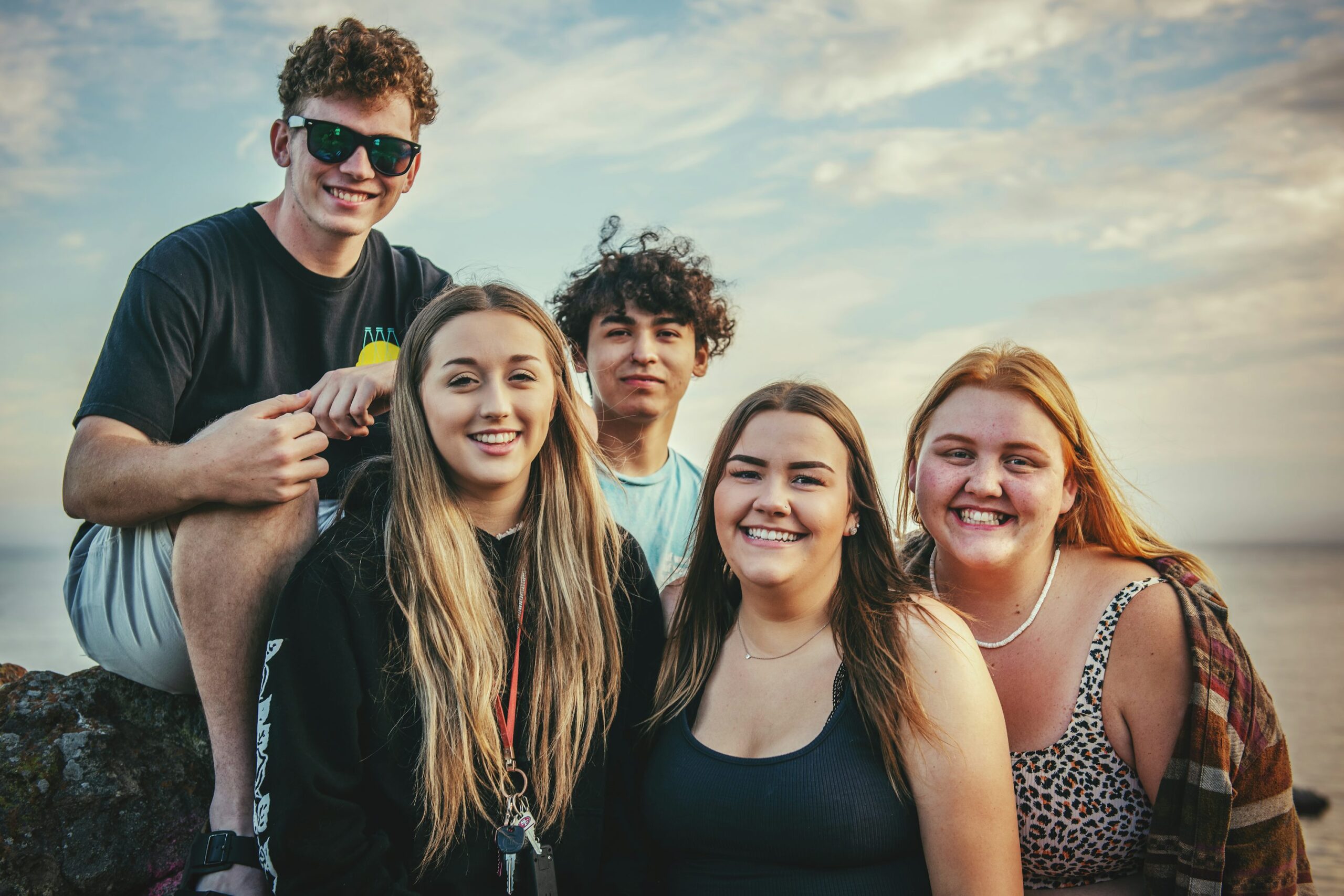

Why meeting new people becomes harder as we grow older
There is something unusual about adult life that very few people talk about openly. When we are younger, friendships seem to happen naturally. School, university, sports teams and early jobs constantly place us around new people, creating opportunities for relationships to develop without much effort. As the years pass, however, many people discover an unexpected challenge. Meeting new people is no longer automatic. Daily routines become more structured, social circles stabilize and free time becomes limited. Before long, weeks and sometimes even months can pass without a meaningful new connection entering our lives.
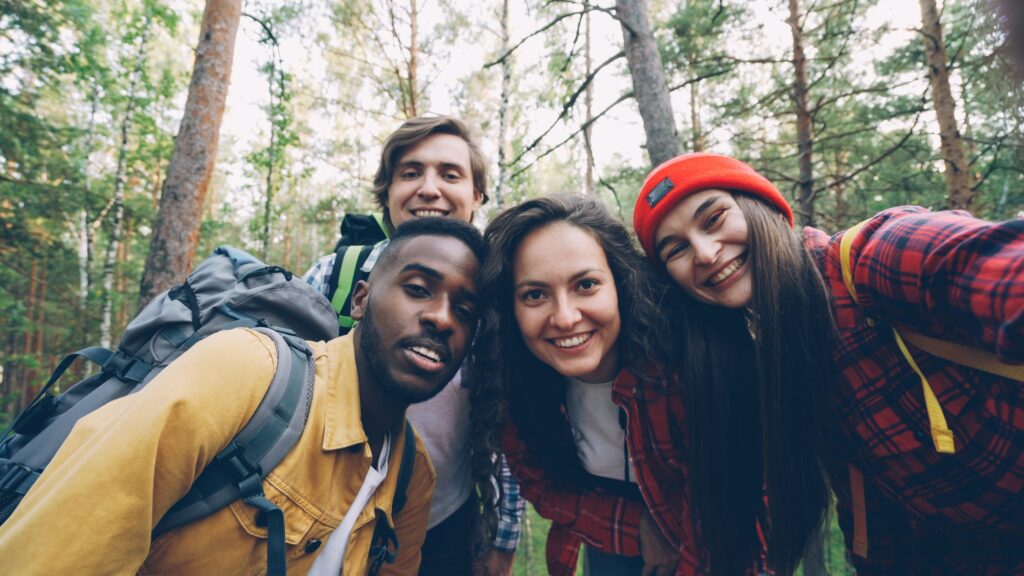
This is one of the reasons outdoor communities have become so important in recent years. On the surface, they are built around activities such as hiking, trail running, outdoor fitness sessions, yoga classes, cycling groups or nature experiences. In reality, however, they offer something much deeper. They create spaces where people can connect through shared experiences rather than forced introductions. Instead of gathering because they are expected to socialize, participants come together because they are already engaged in something meaningful. The activity becomes the starting point, while the relationships develop naturally around it.
One of the most interesting things about outdoor communities is that friendships are rarely the original goal. People usually join because they want to spend time outside, try a new activity, become more active or simply break away from routine. Yet somewhere between the first conversation on a trail, the shared challenge of reaching a destination or the coffee after an activity ends, something changes. Connections begin to form without pressure. There is no need for networking, no expectation to impress anyone and no awkward attempt to manufacture common ground. The experience itself creates that common ground.
Modern society is often described as more connected than ever before, but many people feel increasingly isolated. Social media allows us to follow hundreds of lives simultaneously, exchange messages instantly and stay updated on everything happening around us. Yet digital communication does not always create genuine connection. Seeing someone’s story online is not the same as sharing an experience with them. Reacting to a post is not the same as walking alongside someone for three hours during a hike. Outdoor communities remind people of this difference. They replace observation with participation and passive consumption with real-world interaction.
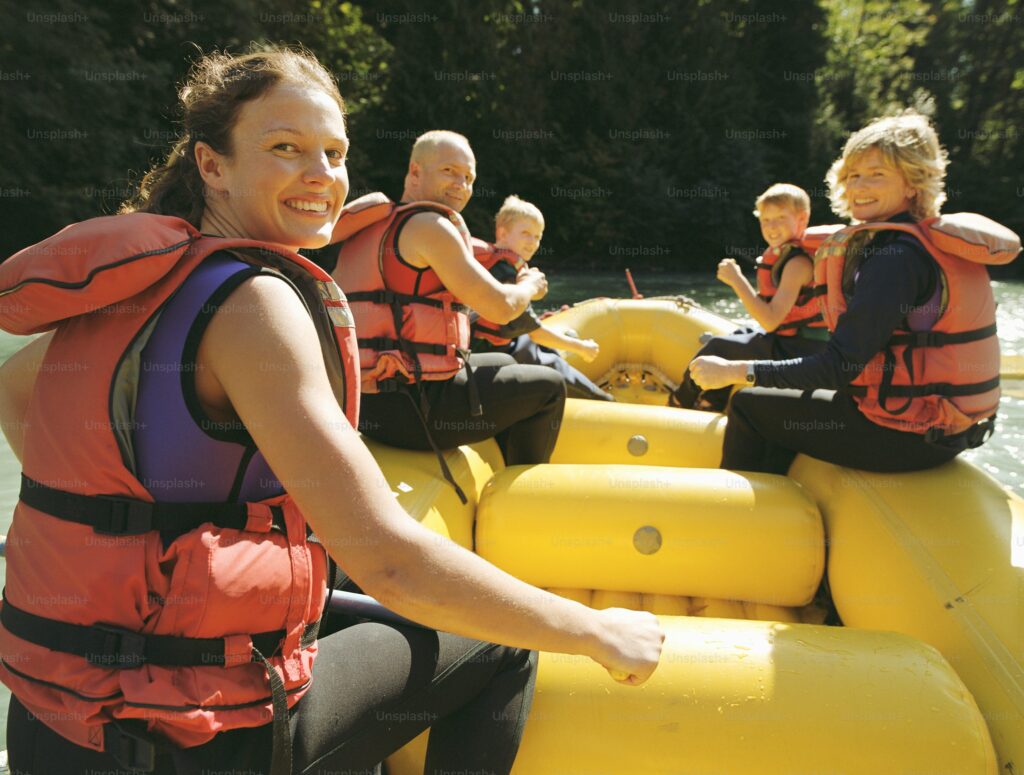
Shared experiences have a unique ability to create lasting bonds because they generate stories. People remember the unexpected rainstorm during a hike, the route that turned out to be more challenging than expected, the viewpoint that was not marked on the map or the spontaneous conversations that happened along the way. These moments may seem small, but they create memories that people carry long after the activity is over. More importantly, they create a sense of belonging. Participants are no longer strangers who happened to be in the same place. They become part of a shared experience, and that experience often becomes the foundation of future friendships.
This is one of the reasons people return to outdoor communities again and again. The activity may be the reason they show up the first time, but the people are often the reason they continue. Ask someone why they regularly attend a hiking group, a running club or an outdoor wellness session and they will rarely talk only about the activity itself. They will talk about the people they met, the conversations they had and the feeling of being part of something larger than themselves. Community transforms an activity from an occasional event into a meaningful part of everyday life.
What makes these communities particularly powerful is their openness. Traditional social groups are often built around age, profession, background or existing friendships. Outdoor communities operate differently. They bring together people who may have very little in common on paper but share a willingness to participate, explore and experience something new. A business owner, a university student, a teacher and a visitor from another country can all find themselves walking the same trail, sharing the same experience and discovering unexpected similarities. This diversity creates richer conversations and more authentic relationships.
The growth of outdoor communities also reflects a broader shift in the way people want to spend their free time. For decades, social life revolved around predictable routines. Meeting for coffee, going out for drinks or gathering around a table were the default ways people connected. While those traditions remain important, many people now want something more. They want experiences that combine social interaction with movement, exploration and participation. They want memories rather than simply meetings. Outdoor communities offer exactly that, creating opportunities for people to connect while doing something meaningful together.
Greece is uniquely positioned for this type of social evolution. With its mountains, coastline, trails, islands and outdoor culture, the country offers countless opportunities for communities to form around shared experiences. Activities that might be seasonal elsewhere can take place almost year-round in many regions of Greece. This accessibility allows communities to grow organically and gives people regular opportunities to reconnect with both nature and each other. As more individuals search for experiences instead of passive entertainment, these communities will continue to play an increasingly important role in everyday life.
This is where InAction naturally fits into the picture. Every community begins with discovery. Before someone can participate, they need to know what exists around them. Yet activities, events and experiences are often scattered across different websites, social media pages and local networks. Many people never join a community simply because they never discover it. InAction was created to close that gap by making activities, experiences and active communities easier to find. The goal is not only to help people book an activity. It is to help them discover opportunities for participation, connection and belonging that might otherwise remain hidden.
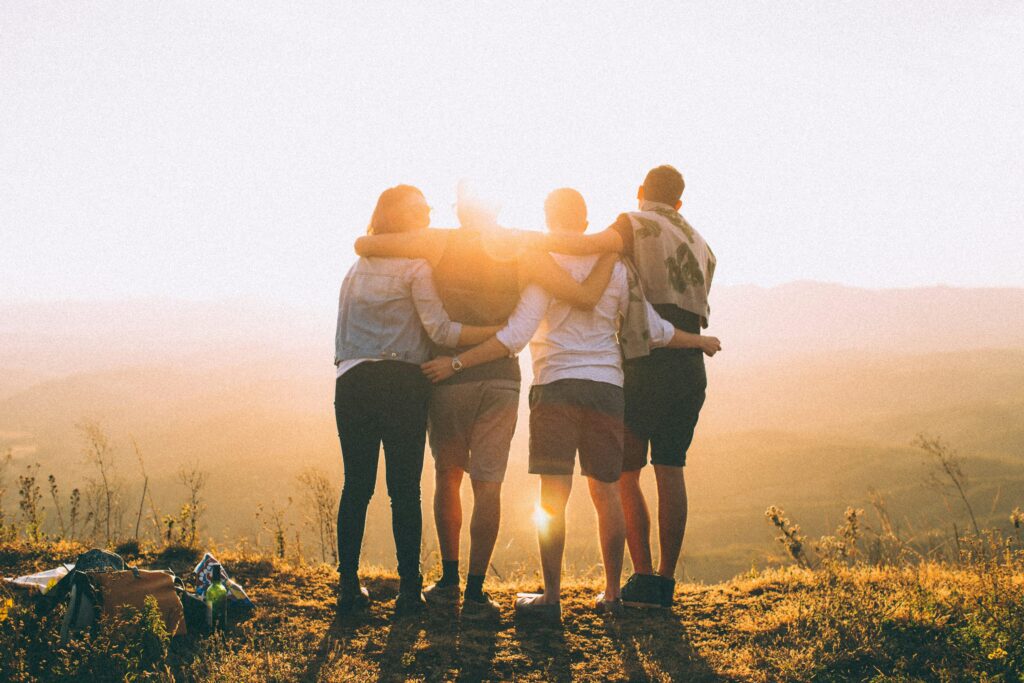
At its core, the rise of outdoor communities is not really about outdoor activities. It is about people. It is about the human need to connect, share experiences and feel part of something real. In a world where so much of life happens through screens, communities built around shared experiences offer something increasingly valuable. They remind us that meaningful relationships are still created the same way they always were: by spending time together, sharing moments and participating in the world instead of simply watching it.
Less Scroll. More Life.
The most meaningful connections rarely begin with a follow, a like or a notification. They begin when people share experiences, challenges, conversations and moments that cannot be fully captured on a screen. Perhaps that is the real reason outdoor communities continue to grow. They offer more than activities. They offer belonging, participation and a reminder that some of the best parts of life still happen in the real world.
Inaction – Discover fitness and outdoor experiences near you and book activities in seconds.